Disclosure: As an Amazon Associate I earn from qualifying purchases. This site contains affiliate links.

Best Home Office Setup for Developers in 2026: Complete Guide

Local LLMs on NVIDIA Spark / ASUS GX10
Best Home Office Setup for Developers in 2026: Complete Guide
I've worked from home full-time since 2021, and I've rebuilt my office setup three times. The first time, I spent too little — a wobbly desk, a borrowed chair, and my laptop screen. Within three months, my back hurt and my productivity suffered. The second time, I overspent on gear I didn't need. The third time, I got it right.
Five years of remote development work have taught me exactly what matters in a home office, what's a waste of money, and where a smart investment pays off in productivity and health. This guide covers everything — from the desk you sit at to the headphones you wear — organized into three budget tiers so you can build the right setup regardless of what you're spending.
The Ergonomics Foundation
Before I talk about specific products, let me share the ergonomic principles that should guide every purchasing decision. These aren't opinions — they're backed by decades of occupational health research.
Monitor positioning:
- Top of the screen at or slightly below eye level
- 20-26 inches from your eyes (arm's length)
- Slight downward tilt (10-20 degrees)
- Centered directly in front of you (not off to the side)
Keyboard and mouse:
- Elbows at 90-110 degrees
- Wrists straight, not angled up or down
- Keyboard and mouse at the same height
- Shoulders relaxed, not shrugged
Chair and posture:
- Feet flat on the floor (or on a footrest)
- Thighs parallel to the floor
- Lumbar support filling the natural curve of your lower back
- Armrests supporting forearms at desk height
Standing desk usage (if applicable):
- Alternate between sitting and standing every 30-60 minutes
- Monitor height adjusts with the desk (or use a monitor arm)
- Anti-fatigue mat for standing periods
- Same wrist and elbow angles as sitting
Getting these fundamentals right matters more than any specific product. An expensive chair used at the wrong height is worse than a budget chair at the right height.
Budget Tier 1: The Essentials (~$500)
This is the minimum viable home office — the setup I'd recommend for a developer who's just starting to work from home or a student building their first workspace. Every dollar goes toward things that directly impact productivity and health.
Desk: Basic Sit-Stand Desk (~$200)
At this budget, look for an electric standing desk frame with a simple top. Brands like FlexiSpot and FEZIBO offer motorized sit-stand desks in the $180-250 range that are surprisingly solid.
What to look for:
- Electric height adjustment (manual cranks are miserable — trust me)
- At least 48" x 24" surface (30" deep is better for monitor distance)
- 220+ lb weight capacity
- Dual motor for stability and speed
- Memory presets for sit and stand heights
Chair: Used Herman Miller or Quality Budget (~$150-200)
Here's a secret: used Herman Miller Aeron chairs sell for $300-400 on Facebook Marketplace and office liquidation sales. A used Aeron at $350 is a better chair than anything you can buy new under $500. These chairs are built to last 15+ years — a 5-year-old one has plenty of life left.
If buying used isn't your style, the HON Ignition 2.0 ($350 new) and the Autonomous ErgoChair Pro ($300) are the best budget ergonomic chairs I've tested.
Monitor: Your Laptop Screen + Budget 27" 1080p (~$150)
At $500 total, a 4K monitor is a stretch. Instead, use your laptop screen as a secondary and add a budget 27" 1080p IPS monitor as your primary. The ASUS VA27EHE or Dell SE2722HX are solid at this price point.
Or: Skip the external monitor entirely and invest the savings in a better chair. Your back matters more than your screen resolution. You can always add a monitor later.
Keyboard and Mouse: Reliable Basics (~$50-80)
The Logitech K380 keyboard ($40) and Logitech M720 Triathlon mouse ($40) are excellent for the price. Multi-device Bluetooth, comfortable for moderate use, and reliable.
Total Budget 1 Cost: ~$500-600
Budget Tier 2: The Sweet Spot (~$1,500)
This is where most developers should aim. It covers all the ergonomic basics with quality components that will last years.
Desk: Quality Electric Standing Desk (~$400-500)
The Uplift V2 and Fully Jarvis are the two best standing desks in this range. Both offer excellent stability, smooth motors, programmable presets, and a 10-year warranty.
My pick: Uplift V2 with the 60" x 30" bamboo top. The extra depth (30" vs. 24") makes a significant difference for comfortable monitor viewing distance, and the bamboo top looks great without requiring a separate purchase.
Chair: Herman Miller Aeron (Used) or Steelcase Leap (~$400-600)
At this budget, you can absolutely get a used Aeron in good condition, or a used Steelcase Leap V2 — another outstanding ergonomic chair. Both offer 12+ years of adjustable, supportive seating.
The Steelcase Leap V2 is my slight preference over the Aeron for developers because its flexible backrest adapts to your position throughout the day, and the seat depth adjustment accommodates more body types.
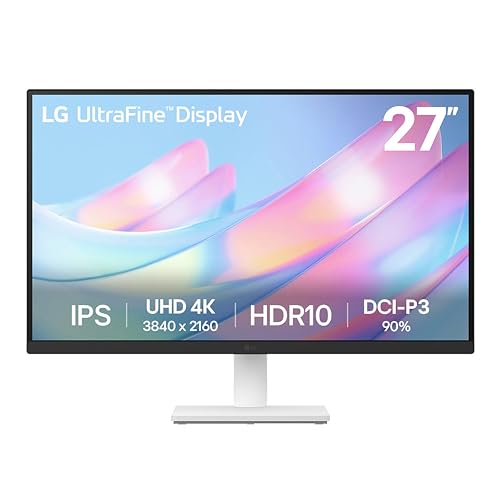
Monitor: 4K 27" with USB-C (~$400-550)
This is where a quality monitor becomes the centerpiece of your setup. The LG 27UN850-W at $450 is my top pick — 4K resolution, USB-C with 60W power delivery, and a fully adjustable stand. One cable from your laptop drives the display, charges your laptop, and connects your peripherals through the monitor's USB hub.
If your budget stretches a bit further, the ASUS ProArt PA279CRV at $550 adds 96W power delivery and a wider color gamut. Either is an excellent choice.
For detailed monitor comparisons, see our best monitors for coding guide.
Keyboard: Premium Wireless (~$100-200)
The Logitech MX Keys S ($109) is the best all-around wireless keyboard for developers who want quality without diving into the mechanical keyboard world. If you prefer mechanical, the Keychron Q1 Pro ($199) is outstanding — see our best mechanical keyboards guide for more options.
Mouse: Logitech MX Master 3S (~$100)
The MX Master 3S is the gold standard developer mouse. The electromagnetic scroll wheel switches between ratchet and free-spin modes, the ergonomic shape is comfortable for all-day use, and the thumb buttons are perfect for programmable shortcuts.
Headphones: Quality Noise Canceling (~$250-350)
The Sony WH-1000XM5 are my top pick for developer headphones. Industry-leading noise cancellation, comfortable for 8+ hour wear, excellent microphone for calls, and 30-hour battery life. They're worth every penny for focused coding sessions.
Total Budget 2 Cost: ~$1,500-1,800

Budget Tier 3: The Ultimate Setup (~$3,000+)
This is the "I work from home permanently and want the best" tier. Every component is premium, and the goal is a workspace you genuinely enjoy being in.
Desk: Premium Standing Desk (~$700-900)
The Uplift V2 Commercial or Herman Miller Nevi are the top tier. The Nevi integrates beautifully with Herman Miller chairs and offers the best cable management system I've tested.
For the ultimate option, the Uplift V2 Commercial with a solid walnut or white oak top ($800-1,000) gives you a desk that's both a precision instrument and a piece of furniture.
Chair: Herman Miller Embody (~$1,200-1,600)
The Embody is designed specifically for people who sit at a computer all day. Its pixelated support system distributes your weight evenly, the backrest moves with you, and it promotes good posture without feeling restrictive.
I've sat in an Embody for 8+ hours daily for over a year. My back has never felt better. It's expensive, but if you sit 40+ hours a week, the cost per hour is negligible, and your spine will thank you.
Monitor(s): Dual 4K or Premium Ultrawide (~$900-1,300)
Option A: Two ASUS ProArt PA279CRV monitors ($1,100 total) on monitor arms. Code on one, browser/terminal on the other. This is maximum screen real estate with excellent color accuracy.
Option B: LG 40WP95C-W ultrawide ($1,300). A single 40" 5K2K display that replaces dual monitors. Cleaner desk, no bezel gap, one cable.
Both are excellent. I currently run Option A and love it, but I've been tempted by the simplicity of the ultrawide.
Keyboard: Custom Mechanical (~$200-400)
At this tier, invest in a keyboard that's specifically optimized for your workflow. The ZSA Voyager ($365) for ergonomic split, the HHKB Professional Hybrid Type-S ($340) for compact efficiency, or a custom-built board with your preferred switches and keycaps.
Audio: Premium Headphones + Speakers (~$400-600)
Sony WH-1000XM5 for focused work and calls, plus a pair of small studio monitors (Audioengine A2+ or Kali LP-6) for when you want to work without headphones. Good speakers make a surprising difference in how enjoyable your workspace feels.
Lighting: Bias Lighting + Desk Lamp (~$80-150)
A monitor light bar (BenQ ScreenBar Plus, ~$109) illuminates your desk without adding glare to your screen. Bias lighting strips behind your monitor reduce eye strain by matching the ambient light to your screen brightness. A quality desk lamp (Dyson Solarcycle or BenQ e-Reading, $120-200) provides supplemental task lighting.
Cable Management: Under-Desk Solutions (~$50-100)
Nothing ruins a great desk setup like a cable jungle. Invest in:
- Under-desk cable tray ($20-30)
- Velcro cable ties ($8)
- USB-C hub mounted under desk
- Wireless charging pad recessed into desk surface (if your desk supports it)
The UGREEN USB-C Hub 6-in-1 mounted under the desk keeps ports accessible while hiding the clutter. Combined with a USB-C monitor that daisy-chains, you can achieve a desk where the only visible cable is the one from your monitor to the wall.
Total Budget 3 Cost: ~$3,000-4,500
Category-by-Category Recommendations
Best Desks for Developers
| Desk | Type | Size | Price |
|---|---|---|---|
| FlexiSpot E7 | Electric sit-stand | 48"x24" to 80"x30" | $400-600 |
| Uplift V2 | Electric sit-stand | 42"x30" to 80"x30" | $500-900 |
| Herman Miller Nevi | Electric sit-stand | 47"x29" to 66"x29" | $700-1,200 |
| IKEA Bekant | Electric sit-stand | 63"x31" | $550 |
Best Chairs for Developers
| Chair | Type | Adjustability | Price |
|---|---|---|---|
| Used Herman Miller Aeron | Ergonomic task | Full | $300-400 used |
| Steelcase Leap V2 | Ergonomic task | Full | $400-600 used |
| Herman Miller Embody | Ergonomic task | Full | $1,200-1,600 |
| Autonomous ErgoChair Pro | Budget ergonomic | Good | $300 |
Must-Have Accessories
Every developer home office should have:
- Monitor arm — Frees up desk space and allows perfect positioning ($30-100)
- Cable management — Under-desk tray and velcro ties ($20-40)
- Desk mat — Protects desk surface, reduces noise, looks clean ($15-30)
- USB-C hub — Because laptops never have enough ports ($30-70)
- Backup storage — A Samsung T7 Portable SSD for time machine backups and project files ($80-120)

The Science of Environment and Productivity
A few environmental factors that research consistently shows affect developer productivity:
Temperature: 70-72 degrees F is the sweet spot for cognitive work. Too warm and you get sluggish. Too cold and you lose fine motor control (typing accuracy drops measurably below 65 degrees F).
Lighting: Natural light is best. Position your desk perpendicular to windows (not facing them, which causes glare, and not with your back to them, which creates a silhouette on video calls). Supplement with 4000-5000K artificial light that approximates daylight.
Noise: Intermittent noise is more disruptive than constant noise. If you can't control your environment, noise-canceling headphones or a white noise machine creates a consistent audio floor.
Plants: This sounds trivial, but multiple studies show that indoor plants in your field of vision reduce stress and improve focus by 10-15%. A pothos or snake plant requires minimal care and makes your workspace more pleasant.
Air quality: A small HEPA air purifier ($50-100) makes a noticeable difference in alertness, especially if your home office is in a room with limited ventilation.
My Current Setup
For reference, here's exactly what I'm using right now:
- Desk: Uplift V2, 60"x30" walnut top
- Chair: Herman Miller Embody (Graphite)
- Monitor: LG 27UN850-W (primary) + MacBook Pro screen (secondary)
- Keyboard: Keychron Q1 Pro with Boba U4T switches
- Mouse: Logitech MX Master 3S
- Headphones: Sony WH-1000XM5
- Lighting: BenQ ScreenBar Plus + bias lighting strip
- Audio: Audioengine A2+ speakers
- Hub: UGREEN USB-C Hub 6-in-1
Total investment over time: roughly $3,200. The chair and desk will last 10+ years. The monitor and peripherals last 5-7 years. Amortized over even 5 years of daily use, it's about $1.75 per working day. That's less than your morning coffee.
For the full breakdown of how AI tools fit into this workspace, check out our best AI coding assistants and best AI productivity tools guides.
Quick Start Recommendations by Budget
| Budget | Top Priority | Key Items |
|---|---|---|
| ~$500 | Chair + desk | Standing desk frame + used ergonomic chair + laptop screen |
| ~$1,500 | Full quality setup | Standing desk + ergonomic chair + 4K monitor + premium keyboard/mouse + headphones |
| ~$3,000+ | Ultimate workspace | Premium desk + Herman Miller + dual 4K/ultrawide + mechanical keyboard + pro audio + lighting |
The single best investment? A good chair. If your budget is $500, spend $350 on the chair and figure out the rest. Your spine doesn't care about your monitor resolution.
Building your home office? Got setup photos to share? Follow me on X (@wikiwayne) — I love seeing how other developers organize their workspaces.
Recommended Gear
These are products I personally recommend. Click to view on Amazon.
LG 27UN850-W 4K UHD — Great pick for anyone following this guide.
ASUS ProArt PA279CRV 27" 4K — Great pick for anyone following this guide.
Logitech MX Keys S Wireless — Great pick for anyone following this guide.
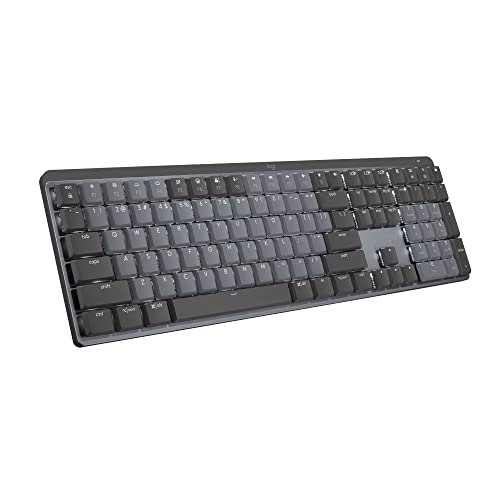 Logitech MX Mechanical Mini — Great pick for anyone following this guide.
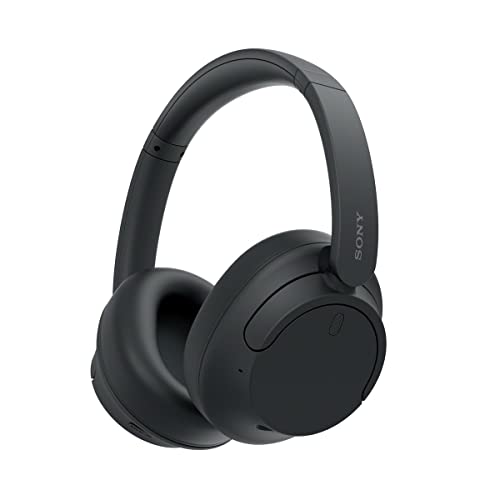 Sony WH-1000XM5 — Great pick for anyone following this guide.
 Samsung T7 Portable SSD 1TB — Great pick for anyone following this guide.
This article contains affiliate links. As an Amazon Associate I earn from qualifying purchases. See our full disclosure.
Affiliate Disclosure: As an Amazon Associate I earn from qualifying purchases. This site contains affiliate links.