Disclosure: As an Amazon Associate I earn from qualifying purchases. This site contains affiliate links.

Best AI Video Generators in 2026: Sora, Runway, Kling & More

Local LLMs on NVIDIA Spark / ASUS GX10
Best AI Video Generators in 2026: Sora, Runway, Kling & More
AI video generation in 2026 feels like AI image generation did in early 2023 -- we've crossed a quality threshold that makes the technology practically useful, but the tools are still evolving rapidly and the best choice depends heavily on what you're trying to create.
I remember the first time Sora's preview clips dropped and the internet lost its collective mind. That was a year ago. Today, there are half a dozen tools capable of producing video that ranges from "impressive demo" to "genuinely usable in production." The gap between those two categories matters a lot depending on your workflow.
I've spent the last few months testing every major AI video platform for real projects -- YouTube B-roll, product demos, social media clips, and explainer content. Here's the honest breakdown.
The State of AI Video in February 2026
Let me set realistic expectations. AI video generation is real and it's useful, but it's not magic. Here's where things actually stand:
What works well:
- Short clips (5-30 seconds) with consistent subjects and camera movement
- B-roll and establishing shots for video content
- Avatar-based talking head videos for corporate communication
- Product visualization and marketing demos
- Stylized and artistic video content
What still struggles:
- Consistent characters across long sequences
- Complex multi-person interactions
- Accurate text and typography in video
- Precise physical interactions (hands, objects)
- Video longer than 30-60 seconds without artifacts
The technology is advancing rapidly -- limitations that exist today may be solved by next quarter. But for now, treating AI video as a tool for specific use cases rather than a universal production pipeline will save you a lot of frustration.

Top 6 AI Video Generators in 2026
1. Sora (OpenAI)
The headline maker. Sora captured the world's attention and has largely delivered on its promise. After a rocky public launch in December 2024, OpenAI has iterated quickly, and the current version produces video that's genuinely cinematic in quality -- smooth camera movements, realistic lighting, and coherent scene composition.
What sets it apart: Raw visual quality. Sora produces the most photorealistic AI video available, with a level of physical simulation that other tools haven't matched. The understanding of how light, water, fabric, and reflections behave is noticeably superior. It also supports image-to-video and video-to-video workflows that give you more control over the output.
Key capabilities:
- Text-to-video up to 1080p resolution
- Up to 20 seconds per generation
- Image-to-video animation
- Video extension and remixing
- Storyboard mode for multi-scene planning
Best for: Cinematic B-roll, artistic video content, marketing visuals, and anyone who needs the highest possible visual quality.
Pricing:
- Included with ChatGPT Plus ($20/month) -- limited generations
- ChatGPT Pro ($200/month) -- higher limits and priority
- API: Usage-based pricing
2. Runway Gen-4
The creative professional's tool. Runway has been a pioneer in AI video since Gen-1, and Gen-4 represents their most capable model yet. What sets Runway apart from competitors is the control -- extensive tools for guiding camera movement, style, and composition that make it feel like a creative tool rather than a prompt-and-pray generator.
What sets it apart: The editing suite. Runway offers inpainting, outpainting, camera controls, motion brush, and style references that give you fine-grained control over the output. The Gen-4 model also maintains better consistency across extended sequences and supports character consistency features that are critical for narrative content.
Key capabilities:
- Text-to-video and image-to-video
- Up to 4K resolution
- Camera control presets (pan, zoom, orbit, etc.)
- Motion brush for selective animation
- Style references and character consistency
- Green screen and background removal
Best for: Creative professionals, video editors, filmmakers, and anyone who needs precise creative control over AI-generated video.
Pricing:
- Free tier (limited generations)
- Standard: $15/month (625 credits)
- Pro: $35/month (2,250 credits)
- Unlimited: $95/month (unlimited generations)
- Enterprise: Custom
3. Kling 2.0 (Kuaishou)
The value champion. Kling, developed by Chinese tech company Kuaishou, has been one of the biggest surprises in AI video. Version 2.0 produces video quality that rivals Sora at a fraction of the price, with longer generation lengths and faster processing times. It's become hugely popular among content creators on a budget.
What sets it apart: Length and speed. Kling can generate videos up to 2 minutes long -- significantly longer than most competitors -- with relatively fast turnaround times. The motion quality is smooth and natural, and it handles camera movements well. The pricing is aggressive, making high-volume generation feasible.
Key capabilities:
- Text-to-video up to 1080p
- Video length up to 2 minutes
- Image-to-video with motion control
- Lip-sync for talking avatar content
- Fast generation speeds
Best for: Content creators who need volume, social media marketers, and budget-conscious users who want quality without premium pricing.
Pricing:
- Free tier (limited daily generations)
- Standard: ~$8/month
- Pro: ~$25/month (higher limits and priority)
4. Pika
The accessible all-rounder. Pika has carved out a position as the most user-friendly AI video generator. The interface is clean, the results are consistent, and the learning curve is minimal. For someone who just wants to create a quick video without mastering complex controls, Pika hits the sweet spot.
What sets it apart: Ease of use and versatile features. Pika's "Scenes" feature lets you chain multiple generated clips into a coherent sequence, and the editing tools (expand canvas, modify regions, add effects) are intuitive. The lip-sync feature for creating talking avatars from a single photo is particularly impressive.
Key capabilities:
- Text-to-video, image-to-video
- Scene chaining for longer narratives
- Canvas expansion for reframing
- Lip-sync from photos
- Sound effects generation
- Simple drag-and-drop interface
Best for: Social media content creators, beginners, and anyone who values simplicity over maximum control.
Pricing:
- Free tier (limited generations)
- Standard: $10/month
- Pro: $35/month
- Enterprise: Custom
5. Synthesia
The corporate communication platform. Synthesia takes a fundamentally different approach -- instead of generating scenes from text, it creates realistic AI avatar videos. You type a script, choose an avatar (or create a custom one from your own likeness), and Synthesia produces a professional talking-head video in any language.
What sets it apart: Avatar quality and enterprise features. Synthesia's avatars are remarkably realistic, with natural gestures, lip sync, and emotional expression. The platform supports 140+ languages, making it a go-to for global corporate communications. The enterprise features (brand templates, approval workflows, SSO) make it production-ready.
Key capabilities:
- 230+ AI avatars (or custom avatar from your face)
- 140+ language support with automatic translation
- Screen recording integration
- Brand templates and style guides
- PowerPoint and PDF to video conversion
- API for automated video production
Best for: Corporate training, internal communications, sales enablement, and any use case that involves a person presenting information to camera.
Pricing:
- Starter: $29/month (10 minutes of video)
- Creator: $89/month (30 minutes)
- Enterprise: Custom pricing
6. HeyGen
The marketing video factory. HeyGen competes directly with Synthesia in the avatar space but with a stronger focus on marketing and sales use cases. The video translation feature -- which dubs your existing videos into other languages while matching lip movements -- is genuinely impressive.
What sets it apart: The video translation and personalization features. HeyGen can take an existing video of you speaking English and produce a version in Mandarin, Spanish, French, or dozens of other languages with matched lip sync. For personalized video outreach, it can generate hundreds of customized videos from a single template.
Key capabilities:
- AI avatars with realistic expressions
- Video translation with lip-sync matching
- Personalized video at scale (variable name, company, etc.)
- URL-to-video (turn a webpage into a video)
- Interactive avatars for real-time engagement
- API for automated production
Best for: Marketing teams, sales outreach, multilingual content, and anyone doing personalized video at scale.
Pricing:
- Free tier (limited)
- Creator: $29/month
- Business: $89/month
- Enterprise: Custom
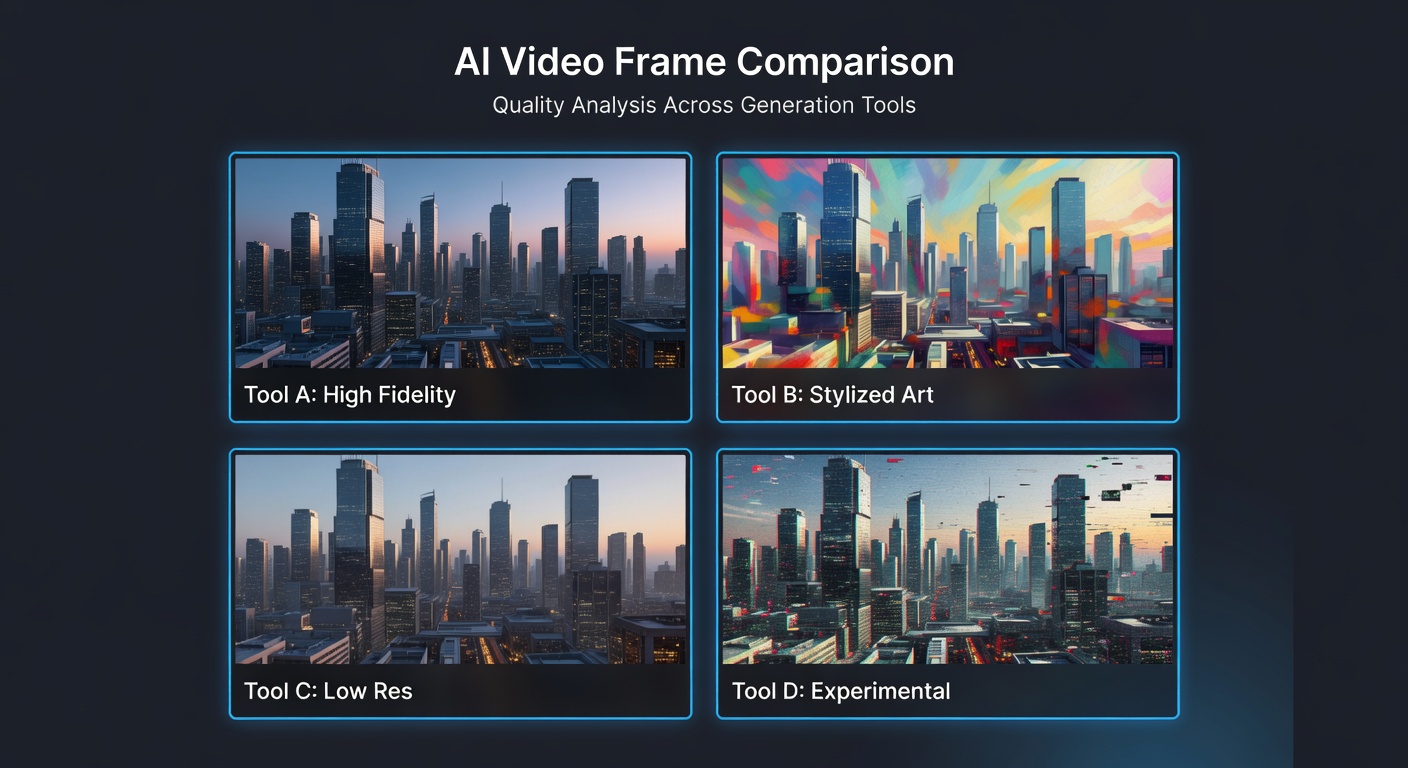
Head-to-Head Comparison
| Feature | Sora | Runway Gen-4 | Kling 2.0 | Pika | Synthesia | HeyGen |
|---|---|---|---|---|---|---|
| Type | Scene generation | Scene generation | Scene generation | Scene generation | Avatar-based | Avatar-based |
| Max Length | 20 seconds | ~16 seconds | 2 minutes | ~10 seconds | Unlimited | Unlimited |
| Max Resolution | 1080p | 4K | 1080p | 1080p | 1080p | 1080p |
| Visual Quality | Excellent | Excellent | Very Good | Good | Very Good (avatar) | Very Good (avatar) |
| Creative Control | Good | Excellent | Good | Good | Limited | Limited |
| Ease of Use | Good | Moderate | Good | Excellent | Excellent | Excellent |
| Languages | English prompts | English prompts | Multi-language | English prompts | 140+ | 40+ |
| Commercial Rights | Yes (paid) | Yes (paid) | Yes (paid) | Yes (paid) | Yes | Yes |
| API | Yes | Yes | Yes | Yes | Yes | Yes |
| Starting Price | $20/mo | Free/$15 | Free/$8 | Free/$10 | $29/mo | Free/$29 |
| Best For | Cinematic | Creative pros | Value/length | Beginners | Corporate | Marketing |
Real-World Use Cases
For YouTube Creators
Use Sora or Runway for B-roll footage that would be expensive or impossible to film. Establishing shots, transition clips, and stylized intros can be generated in minutes instead of hours of filming and editing. Combine with stock footage and your own camera work for a natural mix.
For Marketing Teams
HeyGen and Synthesia for product explainers and testimonial-style videos. Kling for high-volume social media content where you need 20+ variations per week. Pika for quick social clips that don't need to be perfect.
For E-Commerce
Use Runway or Sora to create product visualization videos -- showing items in different environments, lighting conditions, or use cases without a physical photoshoot. This is already standard practice at several major retailers.
For Film and Pre-Production
Runway Gen-4 for previsualization and concept videos. Directors and cinematographers use AI video to communicate their vision before investing in production. The camera control features make it possible to "storyboard" with actual motion.
Tips for Better AI Video Generation
1. Start with a strong image. Image-to-video consistently produces better results than text-to-video. Generate your ideal starting frame with an AI image generator like Midjourney or DALL-E (see my AI image generators guide), then animate it.
2. Keep camera movements simple. Slow pans, gentle zooms, and steady orbits produce the most realistic results. Complex camera movements with rapid changes tend to introduce artifacts.
3. Plan for short segments. Instead of trying to generate one long clip, generate multiple 5-10 second segments and edit them together. This gives you more control and avoids the quality degradation that occurs in longer generations.
4. Use style references. Most platforms support reference images or videos that guide the aesthetic. A consistent style reference across clips helps maintain visual coherence when cutting between AI-generated segments.
For storing and managing your growing library of AI video assets, a fast external drive like the Samsung T7 Portable SSD is essential. Video files add up quickly, and you don't want to clog your main drive. Pair it with a color-accurate monitor like the ASUS ProArt PA279CRV for evaluating color and quality in your generated footage.
Copyright and Commercial Use
The legal landscape for AI-generated video is evolving alongside the broader generative AI copyright debate. Here's where things stand:
- All major platforms grant commercial use rights on paid plans
- You cannot generate videos of real public figures without consent
- Content moderation varies by platform -- Synthesia and HeyGen have strict deepfake policies
- Music and audio in AI-generated videos need separate licensing consideration
- Disclosure requirements are emerging in some jurisdictions -- check local regulations
The safest approach: use paid tiers, avoid generating content featuring real people, and disclose AI generation where required by platform policies or local law.
FAQs
What's the best AI video generator for beginners?
Pika offers the easiest learning curve with consistently good results. If you specifically need talking-head videos, HeyGen's interface is very intuitive. Both have free tiers to experiment with before committing.
Can AI-generated video be used commercially?
Yes, on paid plans. All major platforms grant commercial rights to paying users. Check each platform's specific terms for any restrictions on use cases like political advertising or medical content.
How long can AI-generated videos be?
Most scene-generation tools max out at 10-30 seconds per generation, though Kling supports up to 2 minutes. Avatar-based tools (Synthesia, HeyGen) can produce unlimited-length videos. For longer content, the standard practice is generating short segments and editing them together.
Will AI video replace traditional video production?
Not in the near term. AI video is excellent for specific use cases -- B-roll, prototyping, social content, corporate communications -- but complex narrative content, live-action performances, and high-production video still require traditional filmmaking. Think of AI as a new tool in the production toolkit, not a replacement for the entire toolkit.
The Bottom Line
AI video generation in 2026 is at an inflection point. The tools are good enough for real production use in many contexts, but they're not yet a universal replacement for traditional video production. The right approach is identifying the specific use cases where AI video adds value -- B-roll, corporate communications, social content, prototyping -- and using the right tool for each.
Sora leads on cinematic quality. Runway leads on creative control. Kling leads on value and length. Pika leads on accessibility. Synthesia and HeyGen lead on avatar-based professional content. Pick your tool based on your use case, not the hype cycle.
What AI video tool are you using, and what are you creating with it? I'd love to see examples of what's working for you -- share them on X (@wikiwayne).
Recommended Gear
These are products I personally recommend. Click to view on Amazon.
Samsung T7 Portable SSD 1TB — Great pick for anyone following this guide.
Samsung T7 Shield SSD 1TB — Great pick for anyone following this guide.
 ASUS ProArt PA279CRV 27" 4K — Great pick for anyone following this guide.
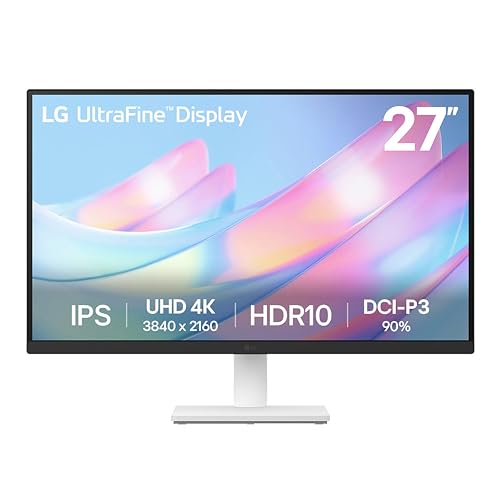 LG 27UN850-W 4K UHD — Great pick for anyone following this guide.
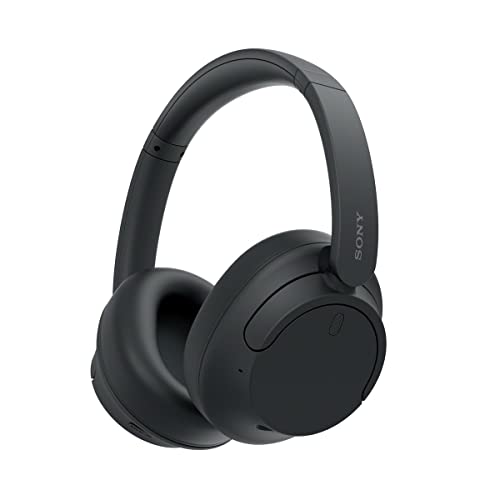 Sony WH-1000XM5 — Great pick for anyone following this guide.
 Logitech MX Keys S Wireless — Great pick for anyone following this guide.
This article contains affiliate links. As an Amazon Associate I earn from qualifying purchases. See our full disclosure.
Affiliate Disclosure: As an Amazon Associate I earn from qualifying purchases. This site contains affiliate links.