Disclosure: As an Amazon Associate I earn from qualifying purchases. This site contains affiliate links.

YouTube SEO Guide 2026: Rank Your Videos Higher

Local LLMs on NVIDIA Spark / ASUS GX10
YouTube SEO Guide 2026: Rank Your Videos Higher
YouTube is the second-largest search engine in the world, and in 2026, it is more competitive than ever. Over 500 hours of video are uploaded to YouTube every minute. Getting your videos discovered requires more than just uploading and hoping for the best.
YouTube SEO is the practice of optimizing your videos, channel, and content strategy so that YouTube's algorithm recommends your videos to the right viewers. It combines traditional search optimization with an understanding of YouTube's recommendation system, which drives the majority of views on the platform.
I have spent years studying what works on YouTube, and this guide covers the strategies that matter most right now.
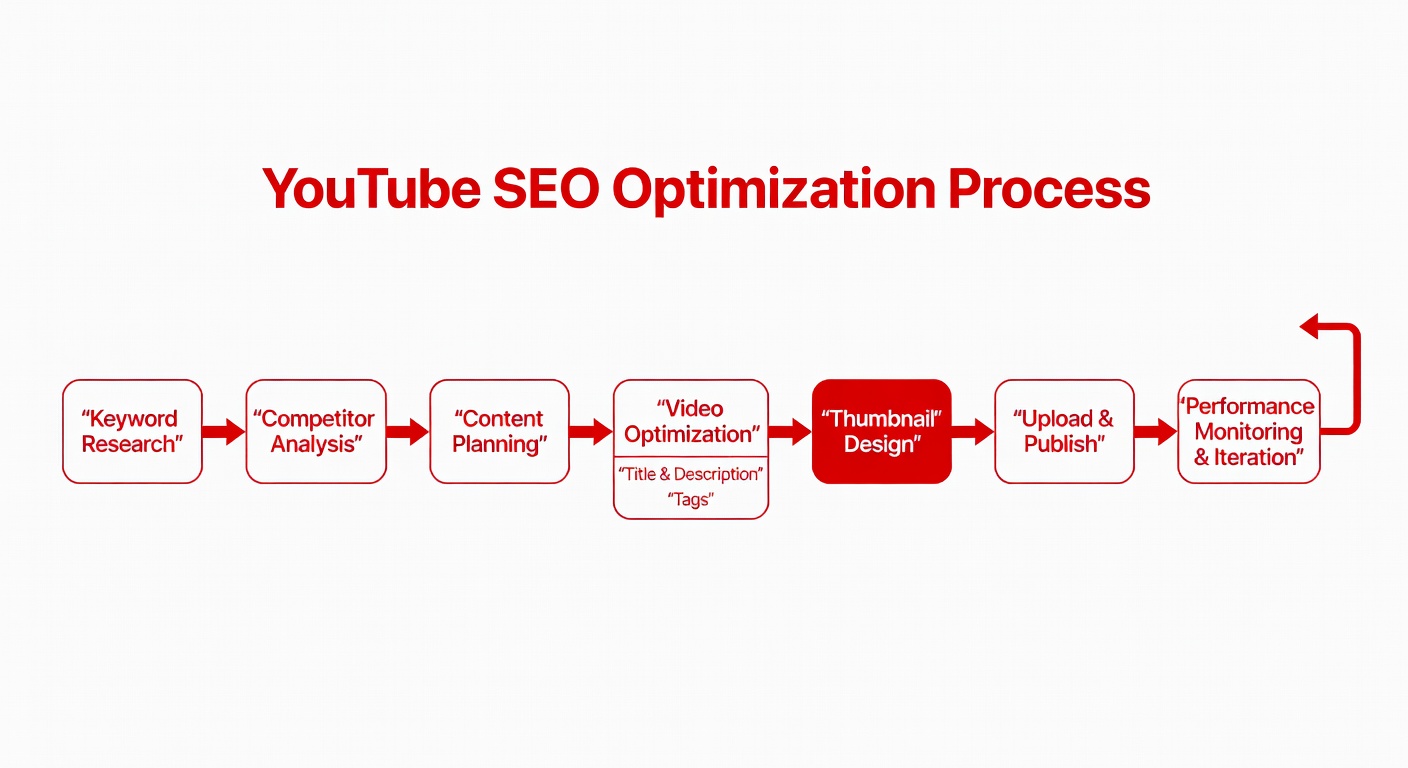
How YouTube's Algorithm Works in 2026
Understanding the algorithm is the foundation of YouTube SEO. YouTube's recommendation system serves two primary functions:
1. YouTube Search
When users type queries into YouTube's search bar, the algorithm ranks videos based on:
- Relevance: How well your metadata (title, description, tags) matches the query
- Engagement: Click-through rate, watch time, likes, comments
- Authority: Channel authority on the topic, subscriber count, upload history
- Freshness: Recent videos get a boost for time-sensitive queries
2. Recommended Videos (Browse and Suggested)
The vast majority of YouTube views come from recommendations, not search. The algorithm recommends based on:
- Watch history: What the viewer has watched recently
- Engagement signals: Videos with strong audience retention and engagement
- Topic relevance: Videos related to what the viewer is currently watching
- Session time: Videos that keep viewers on YouTube longer get favored
The key insight: YouTube's ultimate goal is keeping viewers on the platform. Videos that drive longer watch sessions get promoted more aggressively.
Title Optimization: Your Most Important Asset
Your title is the single most important element for YouTube SEO. It determines both search ranking and click-through rate from recommendations.
Title Best Practices
Include your target keyword early. YouTube's algorithm weighs the beginning of your title more heavily. "How to Edit Videos in Premiere Pro" is better than "My Complete Tutorial on Premiere Pro Video Editing."
Optimize for curiosity and clarity. The best titles tell viewers exactly what they will get while creating enough intrigue to click.
Keep it under 60 characters. Longer titles get truncated in search results and recommendations.
Use numbers when relevant. "7 YouTube SEO Tips" outperforms "YouTube SEO Tips" in click-through rates.
Test different title formats:
- How-to: "How to [Achieve Result] in [Timeframe]"
- List: "[Number] [Topic] That [Benefit]"
- Comparison: "[Thing A] vs [Thing B]: Which Is Better?"
- Question: "Why [Surprising Statement]?"
- Tutorial: "[Topic] Tutorial for [Audience] ([Year])"
Title Testing
YouTube now allows A/B title testing on some channels. If you have access, use it. If not, change underperforming titles after 48-72 hours and monitor the impact.
Thumbnail Strategy: The Click Trigger
Thumbnails drive click-through rate, which is one of the strongest signals for the recommendation algorithm. A great thumbnail can double or triple your views.
Thumbnail Design Principles
Use faces with emotion. Human faces showing genuine emotion (surprise, excitement, concern) consistently outperform other thumbnail styles.
Text should be minimal. 3-5 words maximum. The text should add context that the title does not provide.
High contrast and saturation. Thumbnails compete with dozens of others on screen. Bold colors and contrast make yours stand out.
Consistent branding. Use a consistent style so returning viewers recognize your content instantly.
Design for mobile first. Most YouTube viewing happens on phones. Your thumbnail needs to be clear at small sizes.
Tools for thumbnails: Canva (quick and easy), Photoshop (maximum control), or AI generation tools for backgrounds and elements.
For designing thumbnails, a color-accurate monitor like the ASUS ProArt PA279CRV ensures your colors look right on every device.

Description Optimization
YouTube descriptions serve dual purposes: they help the algorithm understand your content and they convince viewers to watch.
Description Structure
[First 2-3 lines: Hook and value proposition - this shows before "Show More"]

[Timestamps/Chapters]
0:00 Introduction
1:30 First Topic
4:15 Second Topic
...

[Detailed description with keywords naturally included - 200-500 words]

[Links: Related videos, website, social media]

[Standard channel links and disclaimers]
Description SEO Tips
- Include your primary keyword in the first 25 words
- Write a genuine description of the video content (not keyword-stuffed)
- Use related keywords naturally throughout
- Include timestamps (they create chapters and improve discoverability)
- Link to related videos and playlists on your channel
- Add relevant hashtags (3-5 maximum)
Chapters and Timestamps
Chapters (created via timestamps in descriptions) do three important things:
- Improve user experience by letting viewers jump to relevant sections
- Create additional search entry points (chapters can appear in Google search results)
- Signal content quality to the algorithm
How to Format Chapters
0:00 Introduction
1:15 What Is YouTube SEO?
3:30 Title Optimization
6:45 Thumbnail Strategy
10:00 Description Tips
13:20 Tags and Hashtags
15:45 Shorts Strategy
18:00 Summary
Requirements:
- First timestamp must be 0:00
- Minimum of 3 timestamps
- Each chapter must be at least 10 seconds
- Use descriptive chapter titles that include relevant keywords
AI-Generated Captions and Subtitles
YouTube's auto-captioning has improved dramatically with AI, but there are still good reasons to create or review your captions manually:
- Accuracy: AI captions are about 95% accurate. That 5% error rate can include embarrassing or confusing mistakes.
- SEO value: YouTube indexes caption text for search. Accurate captions mean better keyword coverage.
- Accessibility: Proper captions serve deaf and hard-of-hearing viewers and people watching without sound.
- International reach: Translated captions open your content to global audiences.
My workflow:
- Let YouTube generate automatic captions
- Download the auto-generated transcript
- Review and correct errors
- Upload the corrected version as your official subtitles
- Consider adding translations for your top 2-3 non-English audience languages
YouTube Shorts Strategy
Shorts have become a critical part of YouTube growth strategy in 2026. They serve a different purpose than long-form content but feed into the same channel growth.
How Shorts Help Your Channel
- Discovery: Shorts reach viewers who would never find your long-form content
- Subscriber growth: Shorts viewers convert to subscribers at decent rates
- Algorithm signals: Active Shorts publishing signals channel vitality
- Content testing: Test topics and hooks before investing in long-form content
Shorts Optimization
- Hook in the first second. Shorts viewers scroll fast. Your opening frame must stop them.
- Optimal length: 30-45 seconds performs best for most topics. Under 15 seconds for simple tips.
- Vertical format: Always 9:16 aspect ratio, shot or cropped for mobile viewing.
- Text overlays: Many viewers watch without sound. On-screen text is essential.
- CTA at the end: Direct viewers to your full video or ask them to subscribe.
- Repurpose long-form content: Use tools like Opus Clip to extract the best moments from your full videos. Our social media AI tools guide covers the best tools for this.

Tags and Hashtags
Tags are less important than they used to be, but they still provide context signals:
- Use 5-10 relevant tags per video
- Include your exact target keyword as the first tag
- Add variations and related terms
- Include your channel name and series name if applicable
Hashtags (in the description) are more visible to users:
- Use 3-5 relevant hashtags
- The first 3 appear above your video title
- Include a mix of broad and specific hashtags
Audience Retention: The Secret Ranking Factor
Audience retention -- the percentage of your video that viewers actually watch -- is arguably the most important ranking factor for recommended videos.
Improving Audience Retention
Strong hooks. The first 30 seconds determine whether someone stays or leaves. State the value immediately.
Pattern interrupts. Change something every 30-60 seconds: camera angle, graphic, tone, topic section. Monotony kills retention.
Deliver on promises. If your title says "5 tips," deliver those tips clearly and efficiently. Do not pad with unnecessary filler.
Tighten your editing. Cut dead air, remove "umms," and eliminate any section that does not add value. Tools like Descript make this almost effortless with AI-powered editing.
Use visual aids. B-roll, screen recordings, graphics, and text overlays keep viewers engaged far longer than talking-head footage alone.
Preview what is coming. "In the next section, I will show you the technique that doubled my views" keeps viewers watching through transitions.
YouTube Analytics Deep Dive
YouTube Studio provides powerful analytics. Here is what to focus on:
Key Metrics
| Metric | What It Tells You | Target |
|---|---|---|
| Click-Through Rate | Title/thumbnail effectiveness | 5-10%+ |
| Average View Duration | Content quality and pacing | 50%+ of video length |
| Impressions | How often YouTube shows your content | Growing month over month |
| Subscriber Conversion | How many viewers subscribe | 1-3% of viewers |
| Traffic Sources | Where views come from | Diversified across search, browse, suggested |
Using Analytics to Improve
Low CTR: Your titles and thumbnails need work. Test new approaches.
Low retention: Your content needs tighter editing or better structure. Look at the retention graph to find exactly where viewers drop off.
Low impressions: YouTube is not promoting your content. This usually means engagement metrics are below average.
High CTR but low retention: Your title/thumbnail promises something the video does not deliver. Align expectations.
For connecting YouTube performance data to your overall marketing metrics, see our Google Analytics 4 guide.
YouTube SEO Tools
- TubeBuddy: Keyword research, tag suggestions, A/B testing, competitor analysis
- vidIQ: Keyword scores, trend alerts, channel audit, AI-powered suggestions
- YouTube Studio: Free analytics, built-in keyword insights
- Ahrefs/Semrush: YouTube keyword research and competitive analysis
- Canva: Thumbnail creation and design
- Descript: AI-powered video editing and transcription
Video Storage: A Practical Consideration
Working with video means working with large files. A reliable external SSD like the Samsung T7 Portable SSD makes a significant difference in your editing workflow. The read/write speeds matter when you are scrubbing through 4K footage.
Optimizing for Google Search (Video SEO)
YouTube videos increasingly appear in Google search results through video carousels and featured snippets. Optimize for both YouTube and Google:
- Target keywords that trigger video results in Google (how-to and tutorial queries work best)
- Use exact match keywords in titles and descriptions
- Add structured data if embedding videos on your website
- Create companion blog posts that embed your YouTube videos
- Use YouTube chapters, which can appear as key moments in Google search
This intersection of YouTube SEO and traditional search engine optimization is where the biggest growth opportunities exist in 2026.
Content Calendar and Publishing Strategy
Publishing Frequency
Consistency matters more than frequency. Publishing once a week consistently outperforms publishing daily for two weeks and then disappearing.
Recommended cadence by channel size:
- New channels (0-1K subs): 1-2 long-form + 3-5 Shorts per week
- Growing channels (1K-10K subs): 2-3 long-form + 5-7 Shorts per week
- Established channels (10K+): Whatever pace you can sustain at high quality
Content Types to Prioritize
- Evergreen tutorials: Consistent traffic over months and years
- Topic explainers: "What is X" videos rank well in search
- Comparison videos: High commercial intent, great for affiliate revenue
- Trend-responsive content: Capitalize on trending topics for burst traffic
- Shorts: For discovery and subscriber growth
The YouTube SEO Checklist
Use this before every upload:
- Keyword-optimized title (under 60 characters)
- Custom thumbnail designed for mobile viewing
- Description with keyword in first 25 words
- Timestamps/chapters included
- 5-10 relevant tags
- 3-5 hashtags
- Captions reviewed and corrected
- End screen and cards added
- Video added to relevant playlist
- Compelling first 30-second hook
Start Ranking Today
YouTube SEO is a long game. Your first video probably will not go viral, and that is fine. Focus on creating genuinely valuable content, optimize using the strategies in this guide, and improve with every upload.
The creators who win on YouTube are not necessarily the most talented. They are the most consistent and the most willing to learn from their analytics. If you want to integrate YouTube into a broader SEO strategy that drives organic traffic across search and video, Scale by SEO can help you build a cohesive search presence that compounds over time.
For understanding how AI recommendation systems like YouTube's work under the hood, AI Engineering by Chip Huyen provides the technical context that makes you a smarter optimizer.
What is your biggest YouTube challenge? Let me know on X (@wikiwayne) -- I cover YouTube growth and video SEO regularly.
Recommended Gear
These are products I personally recommend. Click to view on Amazon.
Prompt Engineering for Generative AI — Great pick for anyone following this guide.
AI Engineering by Chip Huyen — Great pick for anyone following this guide.
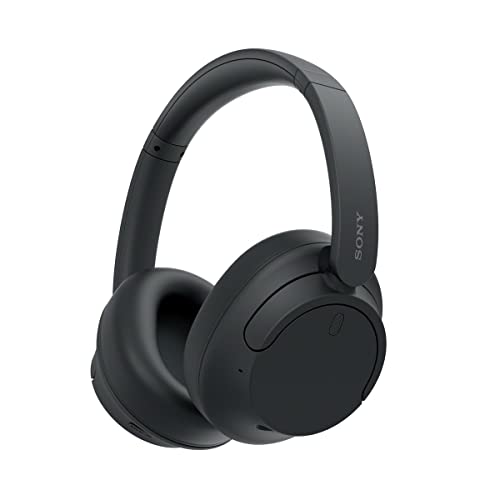
Sony WH-1000XM5 — Great pick for anyone following this guide.
 Samsung T7 Portable SSD 1TB — Great pick for anyone following this guide.
Samsung T7 Shield SSD 1TB — Great pick for anyone following this guide.
 ASUS ProArt PA279CRV 27" 4K — Great pick for anyone following this guide.
This article contains affiliate links. As an Amazon Associate I earn from qualifying purchases. See our full disclosure.
Affiliate Disclosure: As an Amazon Associate I earn from qualifying purchases. This site contains affiliate links.