Disclosure: As an Amazon Associate I earn from qualifying purchases. This site contains affiliate links.

Best Microphones for Podcasting and Content Creation in 2026

Local LLMs on NVIDIA Spark / ASUS GX10
Best Microphones for Podcasting and Content Creation in 2026
Audio quality is the single biggest factor that separates amateur content from professional content. You can get away with mediocre video. You can get away with a basic set. You absolutely cannot get away with bad audio. Viewers and listeners will tolerate a lot, but a tinny, echoey, or muffled voice makes people hit that back button faster than anything else.
The good news: getting professional-quality audio in 2026 doesn't require a recording studio or thousands of dollars in equipment. A good USB microphone, proper positioning, and basic room treatment can produce results that rival broadcast-quality setups from a decade ago.
I've tested the five most popular microphones for podcasting and content creation — across voice recordings, live streams, and video calls — in a treated home office and an untreated spare bedroom. Here's what I found.
For a broader look at the podcasting landscape, Grokipedia has a comprehensive overview.
USB vs. XLR: Which Do You Need?
This is the first decision you'll make, and it matters.
USB Microphones plug directly into your computer. No additional hardware needed. They have a built-in analog-to-digital converter (ADC) and preamp. Setup is literally plug-and-talk.
XLR Microphones use a professional analog connection and require an external audio interface (like a Focusrite Scarlett or SSL 2+) to connect to your computer. The interface provides the preamp and ADC.
When to Choose USB
- You're just starting out and want simplicity
- You record solo (one person, one mic)
- Budget is a concern (no audio interface needed)
- You need portability (one less device to carry)
When to Choose XLR
- You plan to record multiple people simultaneously
- You want maximum audio quality and control
- You're building a long-term studio setup
- You want to use the same mic for different workflows (podcast, music, voiceover)
The hybrid option: Several modern microphones (Shure SM7dB, Rode PodMic USB, Audio-Technica AT2020USB-X) offer both USB and XLR connections. This gives you USB simplicity now with an XLR upgrade path for later.
The Best Microphones in 2026
Quick Comparison Table
| Microphone | Connection | Polar Pattern | Frequency Response | Price |
|---|---|---|---|---|
| Shure SM7dB | XLR + built-in preamp | Cardioid | 50-20,000 Hz | $500 |
| Rode PodMic USB | USB-C + XLR | Cardioid | 20-20,000 Hz | $230 |
| Blue Yeti X | USB | Multi-pattern | 20-20,000 Hz | $170 |
| Elgato Wave:3 | USB-C | Cardioid | 70-20,000 Hz | $150 |
| Audio-Technica AT2020USB-X | USB-C | Cardioid | 20-20,000 Hz | $130 |
1. Shure SM7dB — Best Overall (If Budget Allows)
The Shure SM7B has been the gold standard for podcasting and broadcasting for decades. The SM7dB is its 2024 successor, and the "dB" in the name refers to its game-changing addition: a built-in preamp with +18dB and +28dB gain settings.
Why does that matter? The original SM7B was notorious for requiring an expensive, high-gain preamp or a CloudLifter to get usable signal levels. The SM7dB eliminates that entirely. Plug it into any basic audio interface, flip the gain switch, and you're getting broadcast-quality audio.
What I liked: The sound. Full stop. The SM7dB produces a warm, rich, broadcast-quality vocal tone that makes everything else on this list sound slightly thin by comparison. The cardioid pattern rejects room noise exceptionally well — even in my untreated spare bedroom, it picked up very little room reflection.
The built-in preamp is a genuine problem-solver. I tested it with a $50 Behringer interface and the audio was indistinguishable from a $300 Focusrite + CloudLifter chain.
What could be better: $500 is a serious investment. It's XLR-only (no USB option), so you still need an audio interface. And at 1.7 lbs, it requires a sturdy boom arm — a cheap desk stand won't cut it.
Best for: Serious podcasters and content creators who want broadcast-quality audio and plan to stick with content creation long-term.
2. Rode PodMic USB — Best Hybrid USB/XLR
The Rode PodMic USB is the microphone I recommend most often to people starting a podcast or YouTube channel. It offers both USB-C and XLR connections, sounds genuinely excellent for the price, and has a built-in headphone output for zero-latency monitoring.
What I liked: The USB-C mode is remarkably good. In a blind test between the PodMic USB on USB and an SM7B on a Focusrite Scarlett, two out of three listeners couldn't tell the difference. The sound is warm, focused, and broadcast-ready out of the box with minimal EQ needed.
The internal DSP offers noise gate, compressor, and high-pass filter — all adjustable through Rode's free software. This means you can get professional-sounding audio without any post-processing knowledge.
What could be better: The dynamic capsule means you need to be close to the mic (2-4 inches) for optimal sound. If you lean back in your chair, the volume drops noticeably. No multi-pattern support — it's cardioid only.
Best for: Podcasters and YouTubers who want professional sound with the simplicity of USB and the option to upgrade to XLR later.
3. Blue Yeti X — Best for Versatility
The Blue Yeti X is the updated version of the microphone that arguably started the USB podcasting revolution. Its defining feature is four selectable polar patterns: cardioid, bidirectional, omnidirectional, and stereo.
What I liked: The versatility is genuine. Cardioid for solo recording. Bidirectional for face-to-face interviews. Omnidirectional for roundtable discussions. Stereo for ASMR or ambient recording. No other USB microphone in this price range offers this flexibility.
The built-in LED meter shows your input level in real-time — useful for maintaining consistent volume without checking your DAW. Sound quality on cardioid mode is clean and detailed, with a slight brightness that works well for speech.
What could be better: As a condenser microphone, the Yeti X picks up more room noise than the dynamic mics on this list (PodMic, SM7dB). If your room isn't treated, you'll hear keyboard clicks, AC hum, and background noise that dynamic mics would reject. It's also large and heavy, dominating your desk space.
Best for: Creators who record different types of content (solo, interviews, roundtables) and want one microphone for everything.

4. Elgato Wave:3 — Best for Streamers
Elgato designed the Wave:3 specifically for streamers and content creators who use OBS or Streamlabs, and the integration shows. The companion Wave Link software acts as a virtual audio mixer, letting you blend your mic, game audio, music, and Discord chat into separate tracks — directly from your desktop.
What I liked: Wave Link is the real selling point. It creates virtual audio channels that you can route independently to your stream, your headphones, and your recording. This is functionality that normally requires a physical audio mixer. For streamers, it's a massive workflow improvement.
The audio quality is clean and clear, with a proprietary Clipguard feature that prevents digital distortion even when you suddenly yell (gamers, you know the moment). The capacitive mute button with LED ring is elegant and practical.
What could be better: The condenser capsule, like the Yeti X, picks up room noise. The frequency response starts at 70Hz (vs 20Hz for competitors), which cuts some low-end warmth. And at $150, it's pricier than the AT2020USB-X below for comparable raw audio quality.
Best for: Twitch streamers and content creators who want tight software integration with OBS and virtual audio mixing.
5. Audio-Technica AT2020USB-X — Best Budget USB Mic
The AT2020 has been a studio staple in its XLR form for years, and the USB-X variant brings that proven condenser capsule to a USB-C package with a built-in headphone amp and hardware mute button.
What I liked: At $130, this is the cheapest microphone on the list, and it punches well above its weight in sound quality. The condenser capsule captures detail and nuance that the budget dynamic mics miss. For voice recording in a reasonably quiet room, it sounds excellent.
The USB-C connection (finally replacing the old micro-USB on previous versions) is a welcome update. The build quality is solid metal, and the included desk stand is more stable than what most competitors include.
What could be better: Like all condenser mics, room noise is your enemy. You'll want basic treatment (a foam panel behind the mic, at minimum) for professional results. No multi-pattern support, no software mixer, no built-in DSP processing. It's a straightforward, do-one-thing-well microphone.
Best for: Podcasters and YouTubers on a budget who have a reasonably quiet recording space.
Room Treatment: The Cheapest Upgrade
Here's a truth that the microphone industry doesn't advertise: your room affects your audio quality more than your microphone does. A $130 microphone in a treated room will sound better than a $500 microphone in an untreated room with hard walls and echo.
Basic treatment doesn't require a studio renovation:
- Behind the microphone: Place a foam panel or thick blanket on the wall behind your mic. This prevents your voice from bouncing off the wall and back into the mic.
- Corners: Bass frequencies build up in room corners. A rolled-up towel or small bass trap in the nearest corner helps.
- Overhead: If your ceiling is low and reflective, a foam panel above your recording position makes a noticeable difference.
- Under the microphone: A desk pad or mousepad beneath the mic stand absorbs vibrations transmitted through the desk.
Total cost for basic treatment: $40-$80 in foam panels from Amazon. The improvement in audio quality is dramatic.
My Podcasting Setup
For reference, here's what I use for recording:
- Microphone: Rode PodMic USB via USB-C
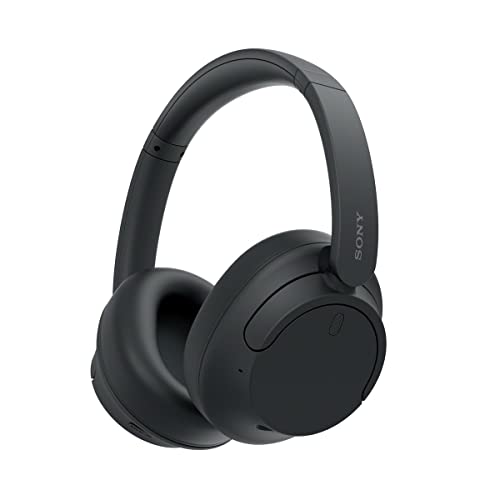
- Monitoring: Sony WH-1000XM5 headphones (ANC off during recording)
- Boom arm: A standard desk-mount boom arm with integrated cable management
- Recording software: Audacity for solo recording, Riverside.fm for remote interviews
- Storage: Samsung T7 SSD for archiving raw recordings
- Editing monitor: ASUS ProArt PA279CRV for multi-track editing in a DAW
The entire audio setup (mic + boom arm + pop filter) cost under $300. It sounds professional enough that listeners regularly assume I'm recording in a studio.
For the complete desk setup, check out our best home office setup guide. If you're also doing video content, our best webcams for streaming guide covers the visual side.

Quick Tips for Better Audio
- Get close to the mic. 2-4 inches for dynamic mics, 6-8 inches for condensers. Distance is the enemy of clean audio.
- Use a pop filter. Even a $10 mesh filter eliminates plosive pops on P and B sounds.
- Record in the quietest room available. Close windows, turn off fans, and silence your phone.
- Monitor with headphones while recording. You'll catch problems in real-time instead of discovering them in post-production.
- Use a noise gate in post. A noise gate cuts audio below a threshold, removing background noise between sentences. Most editing software includes one.
- Keyboard noise matters. If you type during recordings or streams, a quiet keyboard like the Logitech MX Keys S prevents keystroke bleed-through.
The Bottom Line
The Rode PodMic USB at $230 is the best overall pick for most podcasters and content creators — excellent sound, USB simplicity, and an XLR upgrade path.
The Shure SM7dB at $500 is the end-game microphone for serious creators who want broadcast-quality audio.
The Audio-Technica AT2020USB-X at $130 is the budget champion that sounds far better than its price suggests.
The Elgato Wave:3 at $150 is the streamer's choice thanks to Wave Link's virtual audio mixing.
And the Blue Yeti X at $170 remains the most versatile option for creators who record in multiple formats.
Pick the microphone that matches your budget and use case, invest $50 in basic room treatment, and you'll be producing audio that sounds genuinely professional. The barrier to entry for great content has never been lower.
What mic are you recording on? Share your setup on X (@wikiwayne) — I'm always interested in how people build their recording workflows.
Recommended Gear
These are products I personally recommend. Click to view on Amazon.
Sony WH-1000XM5 — Great pick for anyone following this guide.
ASUS ProArt PA279CRV 27" 4K — Great pick for anyone following this guide.
Samsung T7 Portable SSD 1TB — Great pick for anyone following this guide.
Samsung T7 Shield SSD 1TB — Great pick for anyone following this guide.
 Logitech MX Keys S Wireless — Great pick for anyone following this guide.
 UGREEN USB-C Hub 6-in-1 — Great pick for anyone following this guide.
This article contains affiliate links. As an Amazon Associate I earn from qualifying purchases. See our full disclosure.
Affiliate Disclosure: As an Amazon Associate I earn from qualifying purchases. This site contains affiliate links.