Disclosure: As an Amazon Associate I earn from qualifying purchases. This site contains affiliate links.

Best Email Marketing Platforms in 2026: Compared & Ranked

Local LLMs on NVIDIA Spark / ASUS GX10
Best Email Marketing Platforms in 2026: Compared & Ranked
Choosing an email marketing platform feels overwhelming. There are dozens of options, each claiming to be the best, and switching platforms later is painful enough that getting it right the first time matters.
I have used every major platform on this list -- some for personal newsletters, others for client work and e-commerce. This comparison is based on hands-on experience, not just feature lists.
Here is the short version: the best platform depends entirely on your use case. A newsletter creator needs different things than an e-commerce store, which needs different things than a SaaS company. Let me help you find your match.
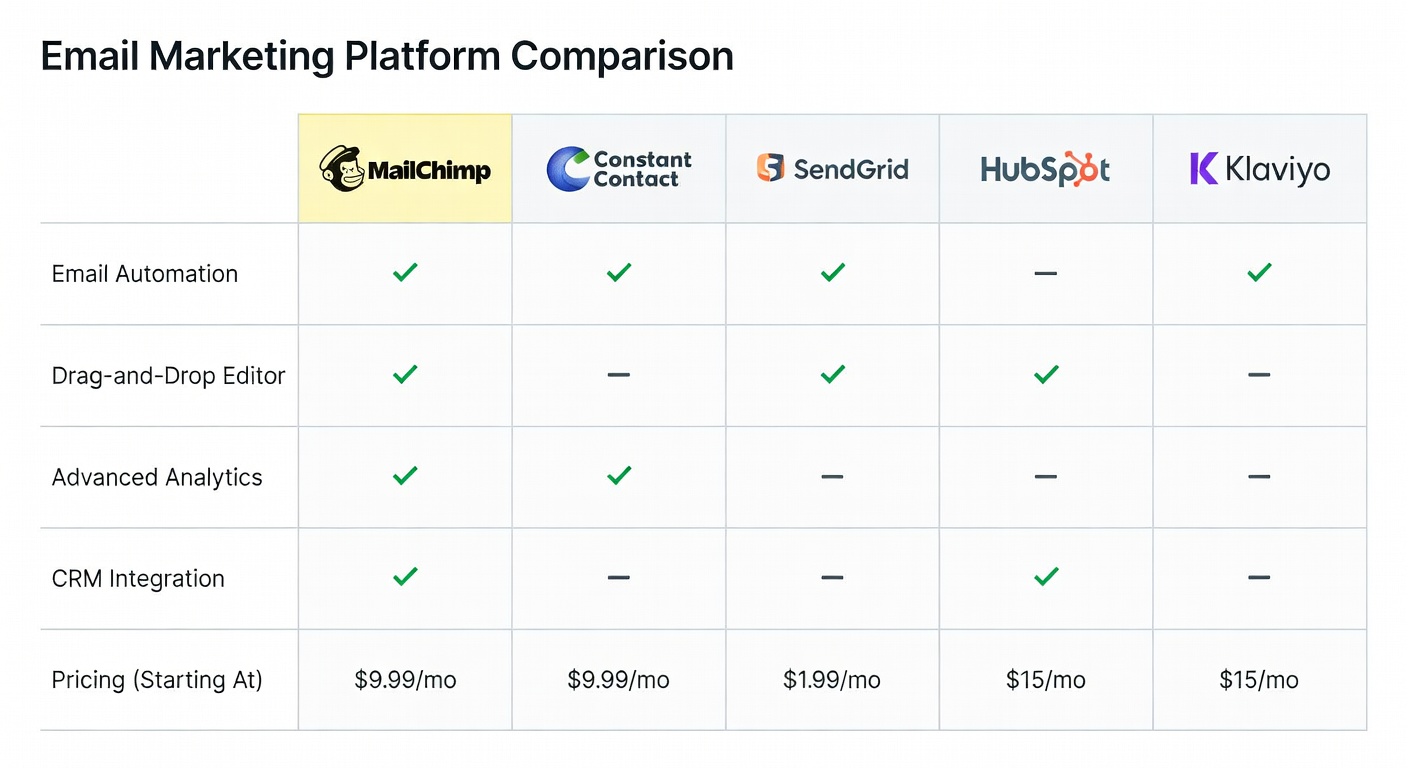
Quick Recommendation Guide
Before the deep dive, here is who should use what:
- Newsletter creators and writers: Beehiiv or Substack
- Creators selling digital products: ConvertKit (Kit)
- Small businesses and beginners: Mailchimp
- E-commerce stores: Klaviyo or ActiveCampaign
- B2B and SaaS companies: ActiveCampaign or HubSpot
- Budget-conscious teams: Brevo (formerly Sendinblue)
- Media companies and publishers: Beehiiv
The Platforms: In-Depth Reviews
1. Beehiiv -- Best for Newsletter Businesses
Beehiiv was built from the ground up for newsletter creators, and it shows. Founded by early Morning Brew employees, the platform understands the newsletter business model in a way others do not.
Key Features:
- Clean, modern editor optimized for newsletter publishing
- Built-in recommendation network for cross-promotion
- Native monetization through Beehiiv Ad Network and premium subscriptions
- Referral program builder (like Morning Brew's famous referral system)
- Website builder for landing pages and archives
- AI writing assistant integrated into the editor
- Advanced analytics including subscriber engagement scoring
- Custom domains and full branding control
Pricing:
- Launch (Free): Up to 2,500 subscribers, unlimited sends, Beehiiv branding
- Scale ($39/mo): Custom domains, ad network access, premium subscriptions
- Max ($99/mo): Full analytics, API access, priority support, all AI features
- Enterprise: Custom pricing
Deliverability: Excellent. Beehiiv maintains strict sending practices and their shared IPs have strong reputations.
Who should use it: Newsletter-first businesses, media companies, content creators building an audience. If your primary goal is growing and monetizing a newsletter, Beehiiv is the best choice in 2026.
2. ConvertKit (Kit) -- Best for Creators and Course Sellers
ConvertKit, in the process of rebranding to Kit, has been the creator economy's favorite email tool for years. Their focus on simplicity and creator workflows makes them ideal for solo operators selling digital products.
Key Features:
- Visual automation builder that is intuitive without being limiting
- Tag-based subscriber management (no lists)
- Landing page and form builder
- Commerce features for selling digital products
- Newsletter sponsorship marketplace
- Excellent deliverability reputation
- Creator-friendly UI designed for non-technical users
- Integrations with major creator tools (Teachable, Gumroad, etc.)
Pricing:
- Newsletter (Free): Up to 10,000 subscribers, limited features
- Creator ($25/mo for 300 subs): Automations, integrations, third-party integrations
- Creator Pro ($50/mo for 300 subs): Advanced reporting, subscriber scoring, newsletter referral system
Pricing scales with subscriber count. At 10,000 subscribers, Creator is approximately $100/month.
Deliverability: Among the best in the industry. ConvertKit's strict anti-spam policies help maintain high inbox placement rates.
Who should use it: Course creators, authors, coaches, podcasters, YouTubers, and anyone selling digital products to an engaged audience.
3. Mailchimp -- Best for Small Business
Mailchimp is the most recognized name in email marketing and still the platform most small businesses start with. Their all-in-one approach includes email, landing pages, social posting, and basic CRM.
Key Features:
- Drag-and-drop email designer with extensive templates
- Marketing CRM for contact management
- Landing pages and signup forms
- Social media posting and ad management
- Basic automation workflows
- Intuit Assist AI for content suggestions
- A/B testing and send time optimization
- Comprehensive reporting
Pricing:
- Free: Up to 500 contacts, 1,000 sends/month, basic features
- Essentials ($13/mo): 500 contacts, 5,000 sends, A/B testing, basic automations
- Standard ($20/mo): 500 contacts, 6,000 sends, advanced automations, AI features
- Premium ($350/mo): 10,000 contacts, 150,000 sends, advanced segmentation
Deliverability: Good but varies. Mailchimp's massive user base means shared IP reputation can be inconsistent. Higher-tier plans with dedicated IPs perform better.
Who should use it: Small businesses that want an all-in-one marketing platform, beginners who need an easy starting point, and businesses that value template variety and design tools.
4. Substack -- Best for Writers Who Want Simplicity
Substack took the newsletter world by storm and continues to attract writers who want zero friction between writing and publishing. Their network effects are powerful.
Key Features:
- Distraction-free writing experience
- Built-in paid subscription management
- Discovery network (Substack Notes, recommendations, leaderboards)
- Podcast hosting
- Community features (Chat, threads)
- Zero upfront cost (revenue share model)
- Mobile app for readers
- Simple analytics
Pricing:
- Free: No charge for free newsletters
- Paid newsletters: Substack takes 10% of subscription revenue plus payment processing fees
Deliverability: Very good. Substack manages deliverability infrastructure and has strong relationships with major email providers.
What Substack lacks:
- Advanced automation
- Segmentation beyond basic tags
- Custom design (limited template options)
- Detailed analytics and A/B testing
- Integration ecosystem (limited API)
Who should use it: Writers and journalists who prioritize writing over marketing, creators who want built-in discovery, and anyone who prefers simplicity over customization.
5. ActiveCampaign -- Best for Advanced Automation
ActiveCampaign is the power tool of email marketing. If you need sophisticated automation, CRM integration, and granular segmentation, it is hard to beat.
Key Features:
- Industry-leading automation builder with conditional logic
- Built-in CRM with deal tracking
- Site tracking and behavioral targeting
- Predictive content and send time optimization
- Machine learning-powered lead scoring
- 900+ integrations
- Split testing within automations
- SMS marketing add-on
Pricing:
- Starter ($15/mo): 1,000 contacts, basic automation, email campaigns
- Plus ($49/mo): CRM, landing pages, advanced automation
- Professional ($79/mo): Predictive sending, AI features, split automations
- Enterprise: Custom pricing, dedicated support
Deliverability: Excellent. ActiveCampaign consistently ranks among the top platforms for inbox placement rates.
Who should use it: B2B companies, SaaS businesses, e-commerce stores with complex customer journeys, and anyone who needs deep automation and CRM integration.
6. Brevo (Sendinblue) -- Best Budget Option
Brevo offers a surprising amount of functionality at a fraction of the cost of competitors. Their email-based pricing (rather than contact-based) makes them particularly attractive for businesses with large lists.
Key Features:
- Unlimited contacts on all plans (pay per email sent)
- Transactional email alongside marketing email
- SMS and WhatsApp marketing
- Basic CRM and deal pipeline
- Landing page builder
- A/B testing and send time optimization
- Marketing automation
- Live chat widget
Pricing:
- Free: 300 emails/day, unlimited contacts
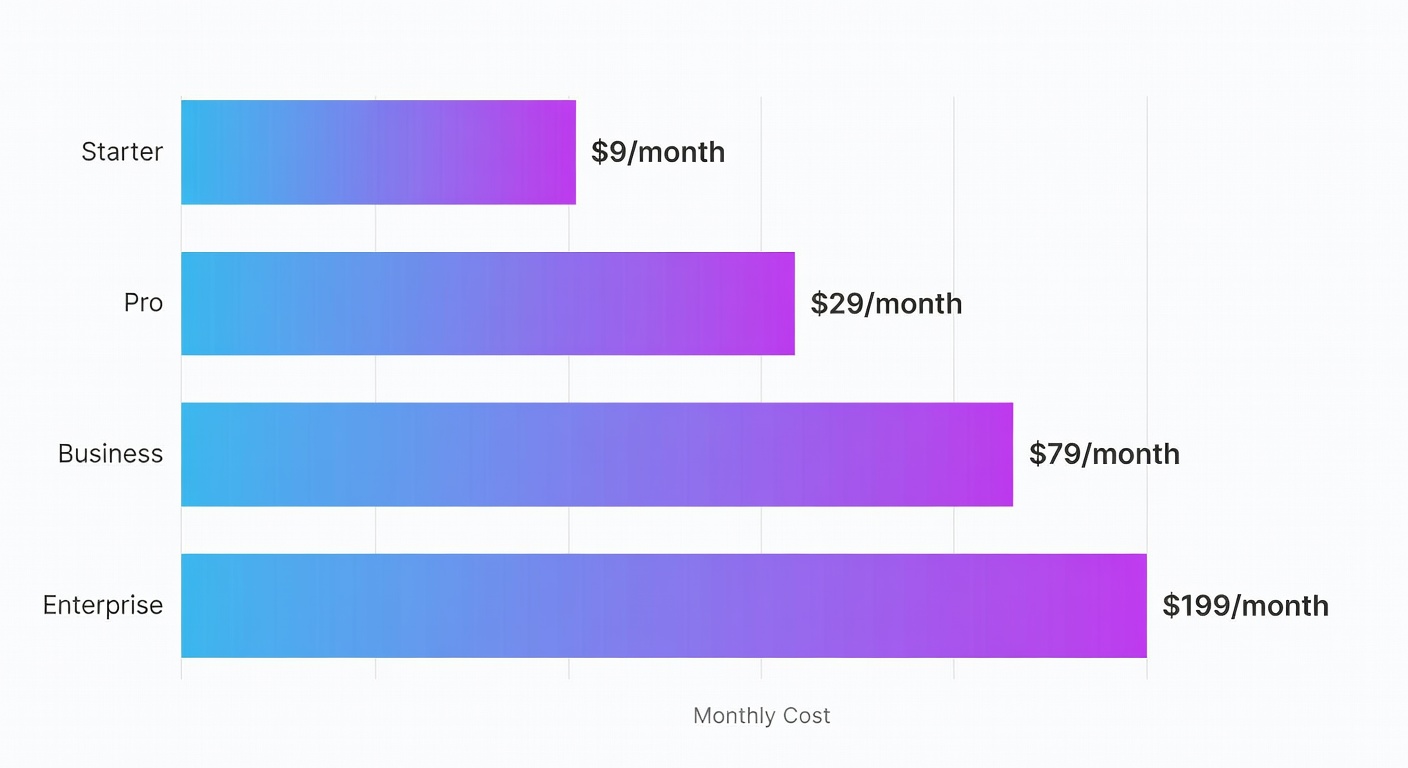
- Starter ($9/mo): 5,000 emails/month, no daily limit
- Business ($18/mo): 5,000 emails, automation, landing pages, A/B testing
- Enterprise: Custom pricing, dedicated IP, advanced features
Deliverability: Good. Brevo has improved significantly over the past year and now offers dedicated IP options on higher plans.
Who should use it: Budget-conscious businesses, companies with large contact lists, businesses needing both transactional and marketing email, and teams that want SMS alongside email.
Platform Comparison Table
| Feature | Beehiiv | ConvertKit | Mailchimp | Substack | ActiveCampaign | Brevo |
|---|---|---|---|---|---|---|
| Free Tier | 2,500 subs | 10,000 subs | 500 contacts | Unlimited | No | 300/day |
| Starting Paid | $39/mo | $25/mo | $13/mo | 10% rev share | $15/mo | $9/mo |
| Automation | Basic | Good | Basic | None | Advanced | Good |
| AI Features | Yes | Basic | Yes | No | Yes | Basic |
| Commerce | Subs + Ads | Digital Products | Basic | Subscriptions | Via CRM | E-commerce |
| Deliverability | Excellent | Excellent | Good | Very Good | Excellent | Good |
| Best For | Newsletters | Creators | SMBs | Writers | B2B/E-com | Budget |
How to Choose: Decision Framework
Answer these questions to find your platform:
1. What is your primary use case?
- Writing a newsletter → Beehiiv or Substack
- Selling digital products → ConvertKit
- Running an e-commerce store → ActiveCampaign or Klaviyo
- General small business marketing → Mailchimp
- Complex B2B automation → ActiveCampaign
- Budget-friendly solution → Brevo
2. How important is automation?
- "I just want to send emails" → Substack or Beehiiv
- "I need basic sequences" → ConvertKit or Mailchimp
- "I need sophisticated multi-step workflows" → ActiveCampaign
3. What is your budget?
- Under $20/month → Brevo or free tiers
- $20-50/month → ConvertKit or Mailchimp
- $50-100/month → Beehiiv Max or ActiveCampaign Plus
- $100+/month → ActiveCampaign Professional or Enterprise options
4. Do you need AI features? If AI-powered writing, optimization, and personalization matter to you, check our detailed AI email marketing tools guide for a deeper comparison of AI capabilities.
Deliverability: The Factor Most People Ignore
Deliverability -- the percentage of emails that actually reach the inbox -- is arguably the most important factor in choosing a platform. A 10% difference in deliverability can mean thousands of dollars in lost revenue.
What affects deliverability:
- Platform's shared IP reputation
- Your sending practices (list hygiene, engagement rates)
- Authentication setup (SPF, DKIM, DMARC)
- Content quality and spam score
- Sending frequency and consistency
Best practices regardless of platform:
- Authenticate your domain (SPF, DKIM, DMARC)
- Clean your list regularly (remove inactive subscribers)
- Use double opt-in for new subscribers
- Monitor bounce rates and spam complaints
- Warm up new sending domains gradually
For maintaining a productive workspace while managing your email campaigns, a quality keyboard like the Logitech MX Keys S makes a meaningful difference during long campaign management sessions.

Migration Tips: Switching Platforms
If you are already on a platform and considering a switch:
- Export your subscriber list with all tags and custom fields
- Document your automations before you leave (screenshot or write them out)
- Set up the new platform and recreate your key automations before migrating subscribers
- Migrate subscribers in batches to warm up your new sending infrastructure
- Run both platforms in parallel for 2-4 weeks during transition
- Update all signup forms to point to the new platform
- Monitor deliverability closely for the first month
Building Your Email Strategy
Regardless of which platform you choose, success comes from strategy, not features. For a complete framework on building an email strategy that integrates with your broader content marketing approach, start with these fundamentals:
- Define your audience and what value you provide
- Set a consistent publishing schedule
- Focus on growing your list with qualified subscribers
- Test and optimize continuously
- Treat your email list as your most valuable marketing asset
For understanding the AI and ML systems powering modern email platforms, Designing Machine Learning Systems offers excellent technical context.
Final Verdict
There is no single best email marketing platform. But there is a best platform for you:
- Go with Beehiiv if newsletters are your business
- Go with ConvertKit if you sell digital products and courses
- Go with Mailchimp if you want an easy all-in-one starting point
- Go with Substack if you want to write and nothing else
- Go with ActiveCampaign if you need serious automation and CRM
- Go with Brevo if budget is your primary constraint
Pick one, start building your list, and focus on creating value for your subscribers. The platform matters less than the consistency and quality of what you send.
Questions about choosing a platform? Share your situation on X (@wikiwayne) and I will give you a personal recommendation.
Recommended Gear
These are products I personally recommend. Click to view on Amazon.
Prompt Engineering for Generative AI — Great pick for anyone following this guide.
 AI Engineering by Chip Huyen — Great pick for anyone following this guide.
 Clean Code by Robert C. Martin — Great pick for anyone following this guide.
Designing ML Systems by Chip Huyen — Great pick for anyone following this guide.
 Logitech MX Keys S Wireless — Great pick for anyone following this guide.
 LG 27UN850-W 4K UHD — Great pick for anyone following this guide.
This article contains affiliate links. As an Amazon Associate I earn from qualifying purchases. See our full disclosure.
Affiliate Disclosure: As an Amazon Associate I earn from qualifying purchases. This site contains affiliate links.