Disclosure: As an Amazon Associate I earn from qualifying purchases. This site contains affiliate links.

Affiliate Marketing for Beginners: Complete Guide 2026

Local LLMs on NVIDIA Spark / ASUS GX10
Affiliate Marketing for Beginners: Complete Guide 2026
I am going to be honest with you from the start: affiliate marketing is not a get-rich-quick scheme. It is a legitimate business model that takes time, effort, and patience to build.
That said, it is one of the most accessible ways to earn money online. You do not need a product, warehouse, customer support team, or massive startup capital. What you do need is the willingness to create valuable content and the patience to let it compound over time.
This guide walks you through everything you need to know to start affiliate marketing from zero in 2026. No fluff, no hype -- just practical steps based on what actually works.

What Is Affiliate Marketing?
Affiliate marketing is simple in concept: you recommend products or services through special tracking links. When someone clicks your link and makes a purchase, you earn a commission.
The three parties involved:
- The merchant (the company selling the product)
- The affiliate (you, the content creator recommending the product)
- The customer (the person who buys through your link)
That is it. You create content, include affiliate links to products you genuinely recommend, and earn a percentage of each sale.
How Commissions Work
Commission structures vary widely:
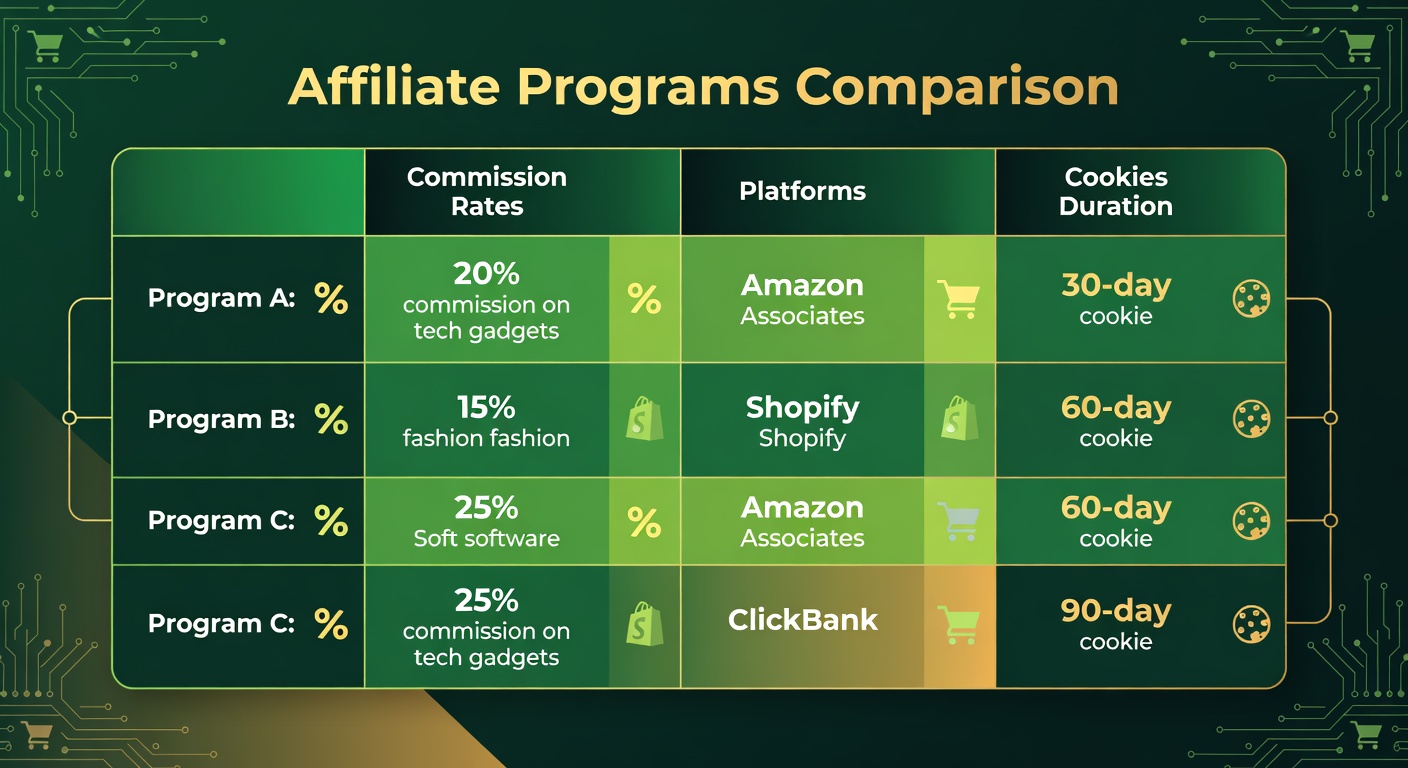
- Amazon Associates: 1-10% depending on product category (most physical products earn 3-4%)
- Digital products: 20-50% commissions are common (software, courses)
- SaaS affiliate programs: Recurring commissions of 20-30% for the lifetime of the customer
- High-ticket products: Some programs pay $100-500+ per sale
The math is straightforward. If you send 1,000 visitors to an Amazon product page, roughly 5-10% might buy something (Amazon's conversion rate is strong). On a $50 product with a 4% commission rate, that is $100-200 from a single piece of content.
Scale that across dozens of articles, and affiliate marketing starts to look interesting.
Step 1: Choose Your Niche
This is the most important decision you will make. Your niche determines everything: what you write about, who your audience is, which products you promote, and how much you can earn.
Characteristics of a good affiliate niche:
- You have genuine interest or expertise. You will be creating content in this niche for months or years. If you do not find it interesting, you will burn out.
- People buy things in this niche. Passionate hobbyists, professionals investing in their careers, and people solving specific problems all spend money.
- There are products to promote. Check Amazon, software affiliate programs, and niche-specific programs to ensure there are products worth recommending.
- The competition is manageable. You do not want to compete with massive publications on day one. Find angles and sub-niches where you can establish authority.
Examples of profitable niches in 2026:
- Home office equipment and productivity tools
- AI tools and software
- Outdoor and fitness gear
- Pet products and care
- Personal finance tools (not advice)
- Photography and video equipment
- Cooking and kitchen gadgets
- Gaming peripherals
Niches to avoid as a beginner:
- Ultra-competitive niches dominated by major publications (general tech reviews)
- Niches with very low commission products
- Topics you know nothing about
- Anything requiring regulated financial or medical advice
Step 2: Build Your Platform
You need a home base for your content. In 2026, you have several solid options.
Option A: WordPress (Most Popular)
WordPress powers over 40% of the web and remains the most popular choice for affiliate marketers. It is flexible, has massive plugin support, and gives you full control.
Setup costs:
- Domain name: $10-15/year
- Hosting: $3-30/month depending on provider
- Theme: Free to $60 (one-time)
- Essential plugins: Free to $200/year
For WordPress recommendations, see our best WordPress plugins guide.
Option B: Custom Site (Next.js, Ghost)
If you have technical skills, building with a modern framework like Next.js gives you maximum speed and control. Ghost is another excellent option with built-in monetization features.
For a complete breakdown, check our how to start a blog guide.
Option C: YouTube
Video content is enormously powerful for affiliate marketing. Product reviews, tutorials, and comparison videos drive high-intent traffic. Many successful affiliate marketers in 2026 combine a website with a YouTube channel.
My recommendation for beginners: Start with WordPress. It has the lowest barrier to entry and the most resources available. You can always add a YouTube channel or custom site later.
Step 3: Join Affiliate Programs
Start with these programs:
Amazon Associates
Amazon Associates is the most beginner-friendly affiliate program. Nearly every physical product on Amazon can be linked, and Amazon's brand trust means high conversion rates.
Pros:
- Massive product selection
- High consumer trust and conversion rates
- 24-hour cookie window (you earn on everything they buy, not just what you linked)
- Low payment threshold ($10)
Cons:
- Relatively low commission rates (1-10%)
- 24-hour cookie is short compared to other programs
- Frequent terms of service changes
How to get approved: You need a live website with some content (aim for 10-15 articles) before applying. Amazon reviews applications and rejects sites that look incomplete or spammy.
Other Programs to Consider
- ShareASale: Marketplace with thousands of merchants across every niche
- Impact: Premium brands and higher commission rates
- CJ Affiliate (Commission Junction): Large established network
- Individual company programs: Many SaaS companies and brands run their own affiliate programs with better commissions than marketplaces
Step 4: Create Content That Converts
Content is the engine of affiliate marketing. Here are the content types that drive the most affiliate revenue:
Product Reviews
In-depth, honest reviews of individual products. Include pros, cons, who it is best for, and alternatives. First-hand experience is essential.
Template:
- Introduction and context
- Key features and specifications
- Hands-on experience
- Pros and cons
- Who should buy this (and who should not)
- Comparison with alternatives
- Final verdict
Comparison Posts
"Product A vs Product B" articles attract readers who are already close to a buying decision. These convert at high rates.
Example: "Logitech MX Keys S vs MX Mechanical Mini: Which Keyboard Is Right for You?"
Best-of Roundups
"Best [product type] for [use case]" articles target readers researching their options. These articles can rank for high-volume keywords and drive consistent traffic.
A keyboard like the Logitech MX Keys S might appear in a "best wireless keyboards for writers" roundup, for example.
How-To Guides
Tutorial content that naturally recommends products within the workflow. "How to set up a home office" can naturally link to desks, monitors, keyboards, and other gear.
Buying Guides
Educational content that helps readers understand what to look for before purchasing. "What to look for in a portable SSD" builds trust and naturally leads to product recommendations like the Samsung T7 Portable SSD.
Step 5: Learn SEO Basics
Search engine traffic is the lifeblood of affiliate marketing. Without it, your content sits unseen. Here are the SEO fundamentals every affiliate marketer needs:
Keyword Research
Target keywords with buying intent:
- "Best [product] for [use case]"
- "[Product A] vs [Product B]"
- "[Product] review"
- "Is [product] worth it?"
Use tools like Ahrefs, Semrush, or free options like Google Keyword Planner and Ubersuggest.
On-Page SEO
- Write compelling title tags with your target keyword
- Create descriptive meta descriptions that encourage clicks
- Use H2 and H3 headings with relevant keywords
- Optimize images with descriptive alt text
- Internal link between related articles
- Include your target keyword naturally in the first paragraph
Content Quality Signals
Google evaluates E-E-A-T (Experience, Expertise, Authoritativeness, Trustworthiness) more heavily than ever. For affiliate content, this means:
- Demonstrate first-hand experience with products
- Include original photos and screenshots
- Share specific, detailed observations
- Be honest about limitations and drawbacks
- Disclose your affiliate relationship clearly
For the complete picture on SEO in 2026, read our SEO trends guide. If you want to fast-track your affiliate site's organic traffic, Scale by SEO helps content-driven businesses build the kind of search presence that turns into consistent affiliate revenue.
Step 6: Understand Disclosure Requirements
This is not optional. The FTC requires clear and conspicuous disclosure of affiliate relationships. Here is what you need:
- A disclosure statement near the top of every page with affiliate links
- A comprehensive disclosure/privacy policy page
- Clear language that readers can understand (avoid legal jargon)
- Disclosures within social media posts and video descriptions
Example disclosure: "This article contains affiliate links. If you purchase through these links, I may earn a commission at no additional cost to you."
Failing to disclose properly can result in FTC action and removal from affiliate programs. Take this seriously.
Realistic Income Expectations
I want to set honest expectations because too many affiliate marketing guides paint an unrealistic picture.
Month 1-3: $0-50. You are building your content foundation. Focus on publishing quality content, not checking analytics.
Month 4-6: $50-200. Some articles start ranking. You see your first organic commissions.
Month 6-12: $200-1,000. Content compounds. You understand what works for your audience. Traffic grows steadily.
Year 2: $1,000-5,000/month is realistic if you have been consistent with quality content and SEO.
Year 3+: Top affiliate marketers in focused niches earn $5,000-50,000+/month. But this level requires significant effort, expertise, and often a team.
The key variable is consistency. Most people who fail at affiliate marketing simply quit too early.

Using AI to Accelerate Your Affiliate Business
AI tools can significantly speed up your affiliate marketing workflow in 2026:
- Content research: Use AI to analyze competitor content, identify gaps, and outline articles
- First drafts: AI can generate initial drafts that you edit and personalize with your experience
- SEO optimization: AI tools suggest keywords, headings, and structure improvements
- Product analysis: AI can summarize product features and reviews to inform your writing
- Social media: Repurpose blog content into social posts with AI assistance
The critical rule: never publish AI-generated product reviews without genuine hands-on experience. Readers and search engines can tell the difference.
For mastering AI tools in your content workflow, Prompt Engineering for Generative AI teaches you to get significantly better output from any AI writing tool.
Common Beginner Mistakes
Promoting products you have never used. Readers trust authentic recommendations. If you have not used a product, say so or skip it.
Stuffing articles with affiliate links. More links does not mean more revenue. Place links naturally where they help the reader.
Ignoring content quality for quantity. One excellent, comprehensive review outperforms ten thin ones.
Choosing a niche only for money. If you are not interested in your niche, your content will reflect that, and readers will notice.
Not diversifying income streams. Relying on a single affiliate program is risky. Amazon has changed commission rates multiple times. Diversify across programs.
Skipping analytics. Track which content, products, and traffic sources generate revenue. Double down on what works.
Your First 30 Days Action Plan
Week 1:
- Choose your niche
- Buy a domain and set up WordPress hosting
- Install essential plugins (SEO, security, caching)
Week 2:
- Create your site structure (homepage, about, privacy/disclosure)
- Research and outline your first 5 articles
- Apply for Amazon Associates (you can link before approval)
Week 3:
- Publish your first 3 articles
- Set up Google Search Console and Analytics
- Begin keyword research for your next 10 articles
Week 4:
- Publish 2 more articles
- Share content on relevant social platforms
- Apply for additional affiliate programs in your niche
- Plan your content calendar for the next month
The Long Game
Affiliate marketing rewards patience and consistency. The content you publish today might not generate meaningful revenue for 3-6 months. But once it ranks and starts earning, it can continue generating income for years with minimal maintenance.
Treat it as a real business. Invest in quality. Be honest with your audience. Keep publishing. The compound effect of good affiliate content is powerful.
Ready to start your affiliate marketing journey? Follow me on X (@wikiwayne) for tips on content creation, SEO, and building an online business that lasts.
Recommended Gear
These are products I personally recommend. Click to view on Amazon.
Prompt Engineering for Generative AI — Great pick for anyone following this guide.
AI Engineering by Chip Huyen — Great pick for anyone following this guide.
 Clean Code by Robert C. Martin — Great pick for anyone following this guide.
 Logitech MX Keys S Wireless — Great pick for anyone following this guide.
 Samsung T7 Portable SSD 1TB — Great pick for anyone following this guide.
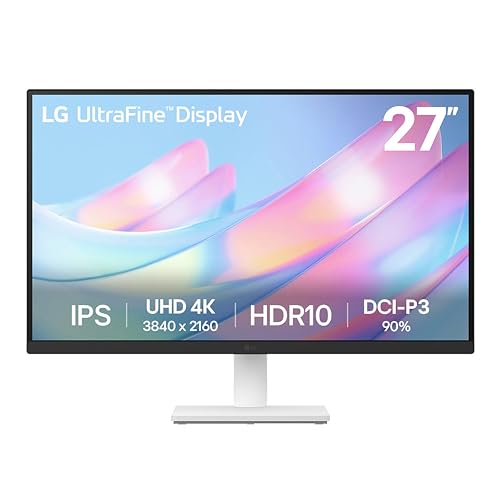 LG 27UN850-W 4K UHD — Great pick for anyone following this guide.
This article contains affiliate links. As an Amazon Associate I earn from qualifying purchases. See our full disclosure.
Affiliate Disclosure: As an Amazon Associate I earn from qualifying purchases. This site contains affiliate links.