Disclosure: As an Amazon Associate I earn from qualifying purchases. This site contains affiliate links.
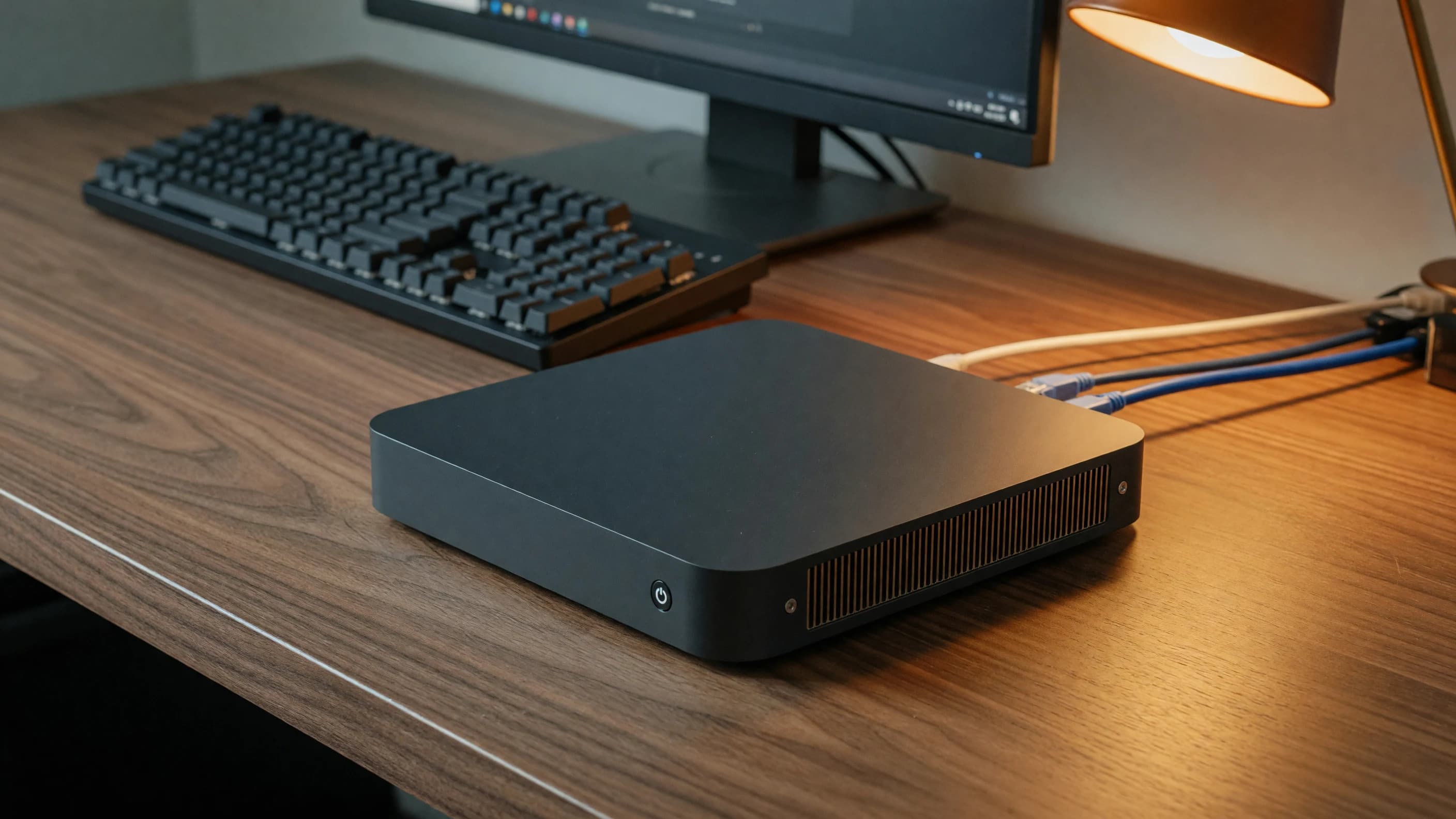
The ASUS Ascent GX10 Showed Up. Here's What I'm Actually Running on It.
The ASUS Ascent GX10 is a DGX Spark-class cube: NVIDIA GB10 Grace Blackwell, 128GB coherent LPDDR5x, DGX OS, about 1 PFLOP of FP4 AI in a 150×150×51mm box.
Key takeaways
- The ASUS Ascent GX10 is a DGX Spark-class cube: NVIDIA GB10 Grace Blackwell, 128GB coherent LPDDR5x, DGX OS, about 1 PFLOP of FP4 AI in a 150×150×51mm box.
- I bought it to run open-weight models and local agents on hardware I own — not to rent another API.
- First jobs on the bench: DeepSeek V4 Flash via Hermes for a real project (Moon Trail), then Qwen-class 27B. Full benches come after the box stops being furniture.

Local LLMs on NVIDIA Spark / ASUS GX10
I posted "tomorrow is the day" like a kid waiting on a parcel. Then the ASUS Ascent GX10 actually arrived, and I did what anyone with a cube that expensive should do: I took pictures, I turned the sound up on a silly soundtrack, and I started putting real work on it instead of quoting the press deck.
This is not a lab review with charts yet. This is what I told X (@wikiwayne) in public, expanded into the notes I wish existed the week the box landed.
What I actually bought
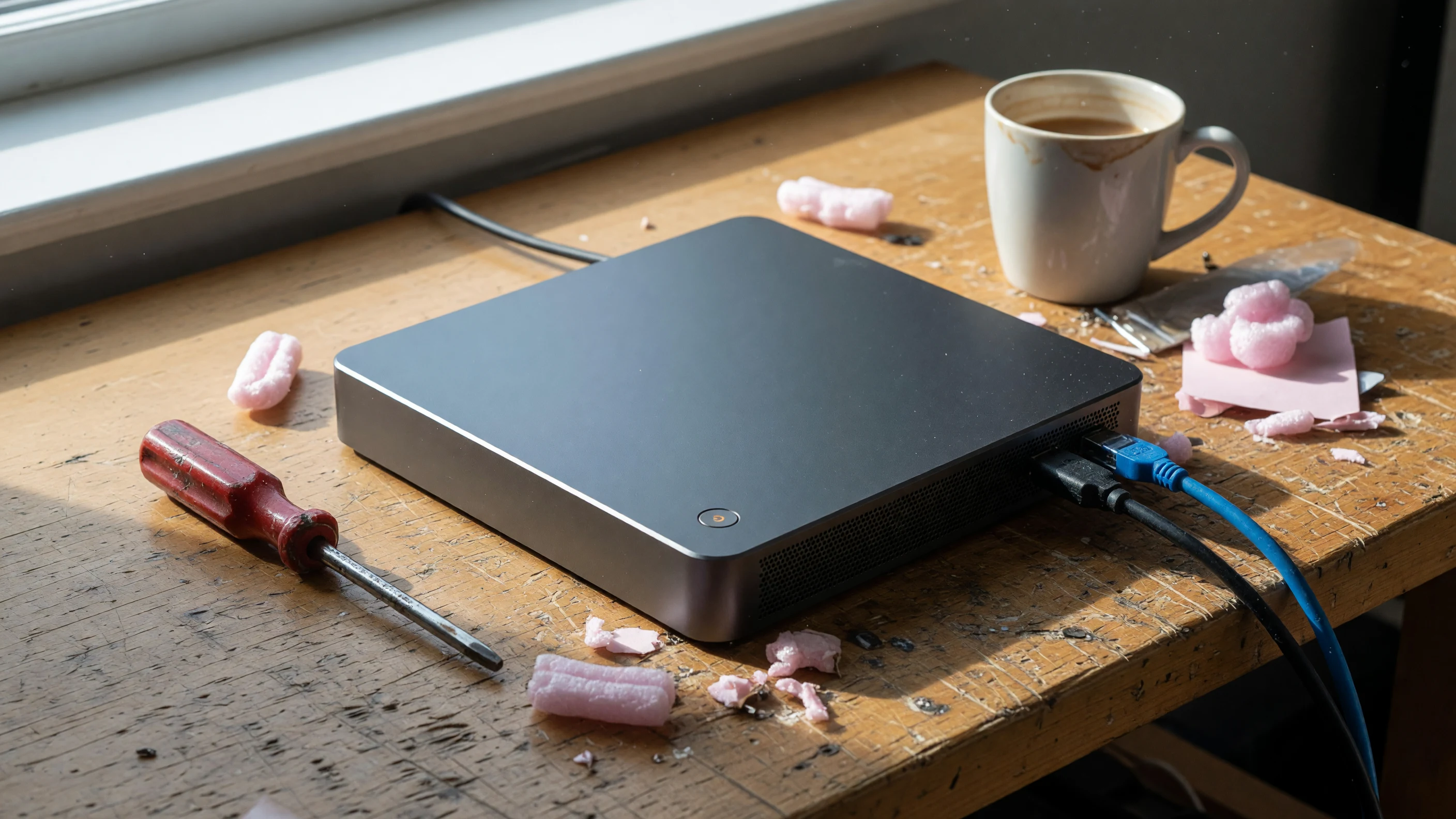
The GX10 is a standalone desktop AI computer, not a card. NVIDIA's name for the family is DGX Spark. ASUS's name for this chassis is Ascent GX10. Inside is the NVIDIA GB10 Grace Blackwell Superchip: a 20-core Arm CPU (10× Cortex-X925 + 10× Cortex-A725) glued to a Blackwell GPU, sharing 128GB of LPDDR5x unified memory.
The numbers that matter on my desk:
- 128GB coherent unified memory — this is the whole pitch. A 24GB gaming GPU is a different animal.
- About 1 petaFLOP of FP4 AI on paper. Treat that as a marketing ceiling until I publish my own tokens/sec.
- NVIDIA DGX OS (Ubuntu-based) preloaded. You are not installing Windows on this and pretending it is a Steam Machine.
- ConnectX-7 plus 10GbE if you ever stack two of them.
- 150 × 150 × 51mm, about 1.5kg, 240W USB-C brick. It looks like a network appliance that wandered into the wrong product photo.
If you are still shopping GPUs for a regular PC, start with the best GPU for local AI (2026) and the VRAM requirements guide. The GX10 is a different purchase: you are buying a tiny DGX, not a 5090.
Why I wanted it
I write about running open-weight models locally. At some point the honest move is to stop renting context windows and put a box on the bench that can hold a serious model without swapping itself to death.
The Spark-class machines exist for that: local agents, local coding, local image work, no prompt leaving the room. ASUS even markets the GX10 as agent-ready (OpenClaw, NemoClaw, Hermes). I care less about the brand names and more about whether I can keep DeepSeek, Qwen, and a coding agent on metal I own.
A buddy joked that mine was "really an open-box return." Buys beware, sure — inspect the unit, keep the serial, don't skip the unbox video. Mine powered on. The rest is workload.
First week on the bench
I did not start with a 70B bake-off. I started with work I already owed myself:
- Local agent + DeepSeek V4 Flash to ship a real thing: Moon Trail. I wrote that up separately because it is the first project that used the box instead of posing next to it.
- Qwen 3.8 27B — I posted "we believe in you" because 27B is the size that used to feel like a stretch on a 24GB card and now fits in the "of course it fits" bucket on 128GB unified.
- Photos. The cube photographs like a speaker. Stack two and you get the leaning-tower joke I posted next to Pisa. That is not a benchmark. That is me being glad it exists.
I have not published a tokens-per-second table yet. When I do, it will be measured on this unit with named quants and named runners — not a screenshot from a keynote.
What 128GB unified memory changes
On a 12–24GB NVIDIA card you live in quantization math. Q4 vs Q8, context vs KV cache, "can I load 14B if I offload six layers." That math still matters — see quantization explained and Q4 vs Q8 — but the GX10 moves the ceiling.
With 128GB coherent memory you can:
- Keep a 27B–70B-class chat model resident without treating it like a science fair.
- Run an agent loop (tools, files, a second helper model) without immediately paging to disk.
- Fine-tune or experiment with larger checkpoints than a consumer GPU will even map.
You still pick a runner. Ollama vs LM Studio, llama.cpp, and whatever NVIDIA ships on DGX OS are different doors into the same memory pool. I am using what the agent stack already speaks (Hermes + a local DeepSeek Flash build) and I will add a cleaner Ollama path as I settle the box in.
What I am not claiming
- I am not claiming the GX10 beats a rack DGX or a cloud H100 on every job. It is a desk machine.
- I am not claiming FP4 petaFLOPs until I show a workload.
- I am not claiming you should throw away a perfectly good 3090/4090 if your models already fit. Buy this when unified memory and a quiet local agent box are the bottleneck, not when you need rasterization.
Who this box is for
Buy a Spark-class cube if you:
- Run local LLMs as a daily driver, not a demo.
- Want agents that can see your repo without shipping the repo to a vendor.
- Care about the privacy tradeoff.
Skip it if you:
- Only need 8B chat. A used GPU from the budget guide is cheaper and simpler.
- Need Windows, CUDA-as-you-know-it on x86, or a card that also plays games.
- Want to swap VRAM later. You cannot.
What's next
Moon Trail is already live. The Qwen 3.8 27B tokens/sec pass is now up: Qwen 3.8 27B on One GX10: The Receipts. Next on this hardware: a Flash vs Pro note for DeepSeek V4. The local AI model tracker stays the living index.
If you are on the same Spark/GX10 wave, tell me what you loaded first — X (@wikiwayne). I will keep posting the unglamorous version.
Frequently asked questions
Same class. The GX10 is ASUS's desktop box built on the NVIDIA GB10 Grace Blackwell Superchip and the DGX Spark software stack (DGX OS). Think Spark architecture in an ASUS chassis, not a GPU you drop into a gaming PC.
128GB of coherent unified LPDDR5x. CPU and GPU share it. That is the reason I wanted the box — not a spec-sheet PFLOP number.
No. Memory is soldered. Storage is an M.2 SSD (configs from 1TB up). If you need more, NVIDIA's story is linking two units over ConnectX-7, not swapping DIMMs.
Affiliate Disclosure: As an Amazon Associate I earn from qualifying purchases. This site contains affiliate links.